Trendy Treatments and Lifelong Risks: An Opinion on Teen Skincare Trends
This editorial critically examines the modern craze for do-it-yourself skincare routines and trendy beauty treatments among teenagers. With social media platforms like Instagram, TikTok, and YouTube playing a dominant role, countless adolescents are chasing the elusive “Instagram glow-up” without fully understanding the potential for long-term skin allergies and dermatological complications. In this piece, we take a closer look at the trends that have swept through teen culture, the tangled issues related to ingredient overuse, and the need for reliable, evidence-based guidance in skincare practices.
Before diving into the specifics, it is essential to note that while many of these treatments are marketed as quick fixes or simple ways to achieve radiant skin, they can sometimes lead to dangerous consequences. As experts warn, rushed or poorly informed routines may compromise the integrity of a young person’s skin barrier, potentially triggering lifelong conditions. With clear warnings embedded in recent studies and expert opinions, it is necessary to explore the various facets of this evolving phenomenon.
Impact of Digital Trends on Teen Skin Health
The rise of social media has revolutionized how teenagers obtain skincare advice. Platforms that boast millions of views can be both impressive and intimidating. Influencers taking viewers step by step through layered and often complicated regimens are promoting products that contain strong active ingredients, sometimes without disclosing the potential dangers. This infectious digital trend has led many young people to mimic practices that may be off-putting to dermatologists who caution against overuse of potent compounds like Alpha Hydroxy Acids (AHAs) and Retinoids.
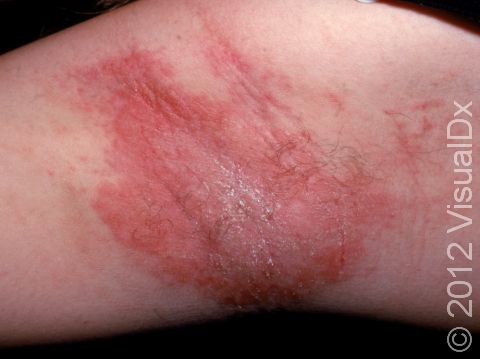
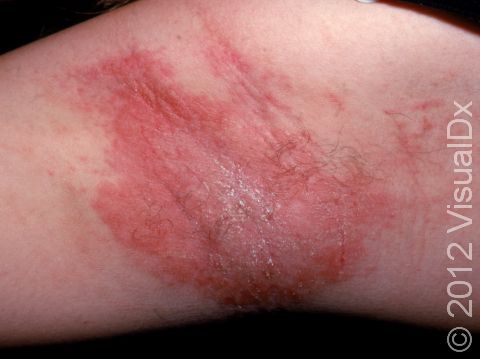
As the digital landscape continues to evolve, it is important to consider the subtle details of these viral routines. Educational gaps and misinformation are frequent, and new studies suggest that the frequency of application and the combination of multiple products can lead to adverse outcomes. These include compromised skin barriers, heightened sensitivity, and in some cases, life-long allergies. The following table provides a clear overview of the key ingredients found in many of these routines and their associated risks:
| Ingredient | Common Use | Potential Risks |
|---|---|---|
| Alpha Hydroxy Acids (AHAs) | Exfoliation, improved skin texture | Irritation, redness, photosensitivity |
| Retinoids | Anti-aging, acne treatment | Dryness, peeling, potential allergies |
| Exfoliants (physical and chemical) | Removing dead skin cells | Compromised skin barrier, irritation |
The overuse or misuse of these ingredients, particularly when employed in multiples, raises serious concerns about the long-term health of young skin. It is imperative that any elaborate regimen is tempered with expert advice to avoid triggering allergic reactions that may follow an adolescent into adulthood.
The Allure of Social Media Packaging and Influencer Culture
One cannot ignore the significant role that social media plays in shaping our perceptions of beauty and wellness. Attractive packaging, paired with a relatable personality and the promise of miraculous results, lures many teenagers into purchasing expensive skincare items. Here, influencers act as both trendsetters and advertisers, often encouraging their followers to buy products via personal affiliate links. The simple allure of a brightly packaged serum or a trendy peel can make the initiative of researching the nitty-gritty aspects of ingredients seem like a secondary thought.
There are several factors to consider when evaluating this influencer-driven phenomenon:
- Attractive Marketing: The visual appeal of a product, including its color, design, and packaging, can distract from the complex bits of ingredient lists that hide potentially irritating chemicals.
- Peer Pressure: The drive to fit in with peer group norms, coupled with the constant stream of curated images online, might lead teens to adopt routines without a healthy dose of skepticism.
- Lack of Regulation: With many products marketed directly online, the usual safety checks can sometimes be bypassed, leaving teenagers exposed to formulations that have not been rigorously tested for long-term safety.
While the packaging and promotional techniques used by influencers are super important in driving product sales, they often sidestep the conversation pertaining to skin health. Without proper advice and moderation, many teens may be inadvertently setting themselves up for years of complicated pieces, including persistent allergic reactions.
Risks of Product Overuse and Allergic Reactions in Adolescents
Overzealous application of multiple products has quickly become a nerve-racking trend among teens aiming for immediate results. Instead of the key component of sun protection—which is often omitted from these routines—the focus is placed on quick fixes and superficial enhancements. The real danger lies in the overuse of products that can irritate the skin at a deep level. When the skin barrier is repeatedly assaulted by harsh chemicals and repeated exfoliation, its natural defense mechanisms can become compromised.
Scientific research has highlighted several key risks associated with this practice:
- Increased Sensitivity: Young skin may become hyper-reactive to ingredients that previously never caused any issues.
- Permanent Allergies: Repeated exposure to allergens over time can result in sensitization, where the immune system becomes permanently overactive.
- Compromised Barrier Function: Constant stripping of the skin’s natural oils can lead to a breakdown in the skin barrier, making it more vulnerable to irritants and environmental aggressors.
Experts advise that the risk of developing allergies is directly correlated to the number of products used simultaneously. Each additional item in a skincare routine increases the likelihood that one or more ingredients will interact negatively with the skin. It is a tangled issue that calls for a more cautious approach, one that ideally would involve consultation with a board-certified dermatologist familiar with these trends.
Psychological Pressures and the Pursuit of the “Insta-Perfect” Look
Beyond the physical risks, there are also psychological implications associated with the drive for the “Insta-perfect” look. Adolescents are often bombarded with images of idealized beauty that are both appealing and intimidating. Social media has made it easier than ever to compare oneself with influencers, whose meticulously curated images frequently do not reflect the real-life complexities of skin health.
In an era where every twist and turn of one’s appearance is subject to public scrutiny, the pressure to conform to these beauty standards can lead to a cascade of negative outcomes. The psychological burden may include:
- Anxiety: Feeling overwhelmed by the pressure to maintain flawless skin.
- Self-esteem Issues: Constant comparisons can lead to a distorted sense of self-worth.
- Compulsive Behavior: A relentless pursuit of perfection may drive repetitive, often damaging rituals, particularly in an attempt to mirror influencer routines.
These psychological pressures make it all the more critical for parents, educators, and health professionals to take a proactive stance. They should encourage young people to find your way through the maze of online advice and seek help when needed, instead of succumbing to trends that are full of problems.
Balancing the Digital Age with Evidence-Based Health Advice
While the digital age offers a vast array of resources for beauty and skincare advice, the overwhelming wealth of information also presents a real challenge. Sorting out reliable guidance from anecdotal evidence or promotional content can be tricky. The case is similar to other areas of modern health where caught-up misinformation can lead to off-putting outcomes.
Medical professionals and dermatologists have been encouraging adolescents and their parents to look for evidence-based advice. As harmless as it might seem to trust the DIY tips that flood your social media feed, it is essential to recognize that these routines often miss the key safeguard of comprehensive skin care—adequate sun protection and a balanced ingredient list.
Here are a few tips to help manage your way through the digital maze of skincare advice:
- Consult a Professional: A board-certified dermatologist can help establish a routine that caters to the individual needs of your skin without risking allergic reactions.
- Research Ingredients: Before using any product, familiarizing yourself with its components can prevent inadvertent overuse of potentially irritating chemicals.
- Moderation is Key: Rather than assembling a long list of exfoliants, serums, and peels, focus on using fewer, but complementary, products. This approach minimizes the risk of tangling issues related to compound interactions.
- Prioritize Sun Protection: Sunscreen is a must-have in any skincare regime. It should be a cornerstone of your routine, yet it is often left out in many viral regimens.
Finding your path in the digital world means recognizing the need for balance. Encouraging a healthy skepticism toward viral trends and combining it with scientifically validated advice can build a more secure foundation for teen skin health.
Understanding the Fine Points of Safe Skincare Practices
Safe skincare practices for teenagers require careful consideration of both product selection and routine frequency. With the influx of appealing but potent formulations, it becomes increasingly important to consider the fine points of each product’s purpose and potential harm. Not every influencer tip translates directly into a safe recommendation for young, sensitive skin. Frequent changes and the mixing of multiple products without understanding their individual effects can lead to a cascade of complications.
Here are some important aspects to consider when evaluating skincare routines for teens:
- Product Efficacy vs. Safety: High efficacy does not always equate to safety, particularly when used repeatedly by individuals with developing skin.
- Ingredient Compatibility: The subtle parts of product formulations matter—a particular combination of active ingredients might be too harsh for daily use by teenagers.
- Infant vs. Adolescent Skin: The biochemistry of teen skin is continually changing, and what works for mature skin might not be appropriate for a still-developing epidermis.
- Consultation with Experts: Direct advice from skincare professionals should always outweigh a single influencer’s anecdote.
Adopting a more informed approach to these little details not only paves the way for healthier future skin but also reduces the burden of irreversible allergic reactions. As studies increasingly show a link between overuse of potent products and persistent skin allergies, it is super important to rethink how we incorporate social media trends in daily practices.
The Hidden Complexities of DIY Skincare Routines
The allure of do-it-yourself skincare routines is undeniable. These routines, often inspired by viral trends and influencer tutorials, promise quick fixes and accelerated results. However, digging into the content reveals many disturbing hidden complexities. One major issue is the prevalence of active ingredients that, when used repeatedly, result in chronic irritation. Many teens experiment with mixtures of exfoliants, chemical peels, and potent serums in a misguided attempt to emulate the “perfect” look seen online.
Moreover, the absence of adequate sun protection is a glaring omission that cannot be overlooked. Here are some of the dangerous trends associated with these DIY practices:
- Excessive Exfoliation: Frequently using chemical or physical exfoliants can disturb the natural balance of the skin, leading to dryness and heightened sensitivity.
- Layering Multiple Products: Stacking several products in a single regimen may seem beneficial for achieving quick results but often leads to an overload of active ingredients.
- Inadequate Moisturization: Many routines focus solely on treatment products, leaving little room for proper hydration, which is crucial for maintaining the skin barrier.
By closely examining these practices, it becomes clear that many DIY regimens are not built on a solid foundation of dermatological science. Instead, they are often driven by the pursuit of immediate visual results rather than long-term skin health. As teens experiment with these routines, they are navigating a minefield of potential allergens and irritants without the safety net of professional guidance.
Exploring the Psychological and Social Impacts
In addition to the physiological risks, the psychological landscape surrounding these trends is equally complex. The constant bombardment of flawless images and success stories can create an environment ripe with anxiety, self-doubt, and an overwhelming desire to keep up. It is not uncommon for teens to become obsessed with the idea of constantly sorting out their appearance to match the digital ideal, often at the expense of their mental health.
This situation is further complicated by several interconnected factors:
- Peer Influence: When a significant number of peers adhere to these demanding skincare rituals, there is an implicit pressure to conform, even if it means risking skin health.
- Comparison Culture: The endless cycle of before-and-after photos and transformation videos fosters an environment of unhealthy comparisons, where the value of one’s appearance is overly scrutinized.
- Short-term Gains vs. Long-term Consequences: Instant results might feel rewarding, but the long-term buildup of product overuse can lead to chronic conditions that are difficult to reverse.
Addressing these psychological tensions is as critical as managing the physical aspects of skin care. There is a growing need to provide balanced narratives that encourage self-acceptance and the understanding that real skin health stems from a blend of proper care, realistic expectations, and, most importantly, professional oversight.
Effective Strategies for Establishing a Safe Skincare Routine
Given the risks and tensions described above, how can teens safely enjoy skincare while avoiding long-term complications? The answer lies in establishing routines that are both simple and scientifically sound. It is super important to approach skincare with the mindset that less is often more, particularly when young, developing skin is involved.
Here are some strategies that can help create a secure and balanced skincare regimen:
- Seek Professional Guidance: Consultation with a board-certified dermatologist can make a world of difference. Experts can evaluate skin types, suggest appropriate routines, and provide guidance on safely incorporating active ingredients.
- Start Slowly: Instead of adopting an 11-product routine in one go, gradually introduce one new product at a time to monitor its effects on your skin.
- Prioritize Sun Protection: Sunscreen is non-negotiable. A broad-spectrum SPF formula should be a critical part of any routine to guard against not only UV damage but also other environmental stressors.
- Learn the Fine Points of Product Labels: Educate yourself on how to read labels. Understanding ingredient lists can help you avoid products loaded with irritants or allergens.
- Moderate Use of Exfoliants: Use exfoliating products sparingly. More frequent use does not equate to better results—in fact, it often leads to the opposite effect by damaging the skin barrier.
Implementing these practices can greatly mitigate the risks posed by trending, over-the-counter treatments and influencer-inspired routines. When the tempting flashiness of viral trends collides with the reality of adolescent skin biology, the outcome can be a persistent, life-altering allergic reaction or increased skin sensitivity. A balanced, informed approach is key to preserving skin health.
Recognizing and Addressing the Complicated Pieces of Modern Skincare
It is essential to appreciate that modern skincare, particularly among teenagers, is riddled with tension. The availability of countless products means that the endless array of choices can be overwhelming and confusing. Each product carries its own set of potential benefits and drawbacks, making it a challenge to piece together a regimen that works without triggering allergic responses.
A step-by-step approach can help untangle these challenges:
- Identify Your Skin Type: What works for one person might not be appropriate for another. Determining whether your skin is oily, dry, or combination is a critical first step.
- Research Before You Purchase: Look up evidence-based reviews and investigate the active ingredients of the products you consider using. Avoid relying solely on a viral video or a single influencer’s testimonial.
- Start Simple: A basic routine featuring a gentle cleanser, a lightweight moisturizer, and a dedicated sunscreen can form the cornerstone of healthy skin. Gradually introducing additional products only after stability is achieved can safeguard against sudden sensitivity or allergies.
- Monitor Changes: Keep a journal of any reactions or improvements. If a product seems to cause irritation, it’s best to halt its use and consult a professional.
This systematic approach helps to find your way through a maze of seemingly endless options and promotes a more cautious attitude toward product selection. The goal is to replace impulsive decisions with measured, informed choices that stand the test of time.
Long-Term Considerations and the Need for Informed Choices
While immediate changes in skincare routines can have visible effects, the long-term consequences of early-age overexposure to harsh ingredients are not always immediately apparent. As research continues to emerge linking certain practices with chronic allergic conditions, the question becomes: How can we strike a balance between living in the moment and planning for a healthy future?
There are several factors to consider for the long haul:
- Skin Maturity: Teenagers’ skin is still developing, and what might seem like a temporary irritation could potentially cause long-term changes in skin sensitivity.
- Allergy Development: Repeated use of potent products increases the chance of sensitization, which can turn into full-blown allergies later in life.
- Psychological Well-Being: The pressures to maintain a flawless appearance might lead to enduring issues with self-image and confidence well into adulthood.
Addressing these considerations requires both foresight and a commitment to staying informed. It means not only embracing trends that are supported by credible evidence but also being prepared to steer through those that might jeopardize skin health in the long run. Empowered with balanced knowledge and professional support, teens can continue to enjoy innovative skincare without paying the price later in life.
Concluding Thoughts: A Call for Caution and Informed Decision-Making
In conclusion, the current trend of trendy skincare treatments among teenagers is a double-edged sword. On one side, the digital revolution has expanded access to beauty tips and innovative products that promise quick, visible results. On the other, it has ushered in a wave of routines that are often loaded with issues—ranging from misused ingredients and overzealous application to psychological pressures and long-term risks. Adolescents seeking that coveted glow-up may unknowingly be compromising their skin’s future health.
We must promptly recognize that modern skincare is not an area best navigated by impulse alone. Rather, the process requires balancing the appeal of trendy treatments with the responsibility of making informed, science-backed decisions. While the sophistication of viral routines can be dazzling, the underlying risks—to both skin barrier integrity and mental health—make a strong case for proceeding with caution.
It is our responsibility, as educators, health professionals, parents, and concerned community members, to ensure that teenagers are equipped with the right information. They should be encouraged to take a closer look at the products they use, seek help from trusted dermatologists, and gradually build a skincare regimen that prioritizes long-term health over transient trends.
Ultimately, the path forward for adolescent skincare involves a thoughtful blend of natural curiosity and critical skepticism. As digital trends continue to evolve, we must hold steadfast to the importance of professional guidance and evidence-based practices. Only by doing so can we hope to sidestep the complex bits and tangled issues that accompany impulsive adoption of modern beauty regimens.
Let this editorial serve as a call for industry stakeholders and social media influencers alike: make your products and advice transparent, and embrace a more responsible approach to promoting beauty trends. For every teen chasing a brilliant glow, there is a deeper need to work through the underlying safety issues and ensure that the pursuit of beauty today does not pave the way for lifelong skin challenges tomorrow.
The journey toward healthy skin is a marathon, not a sprint. By making informed choices and practicing moderation, teens can enjoy the advantages of modern skincare innovations while safeguarding themselves from the pitfalls that come with overuse. Let us all take the initiative to guide young people away from trendy treatments that promise immediate gratification but carry a heavy price in the long run.
As our understanding of skincare evolves with ongoing research and clinical studies, one thing remains clear: a cautious, science-based approach will always triumph over fleeting trends. The responsibility to nurture young skin into healthy adulthood ultimately rests on creating a culture that values sustainable practices over short-lived fads. It is a challenge that calls for collaboration from all corners—health professionals, educators, parents, and yes, even digital influencers.
By embracing this balanced perspective, we can help teenagers build a foundation for a lifetime of confident, healthy skin. In the face of ever-changing digital trends, the focus should remain on protecting and nurturing the skin, ensuring that the seemingly trivial pursuit of beauty does not lead to irreversible complications. The stakes are too high, and the consequences too severe, for us to remain complacent.
In a world where every product claims to offer the secret to endless beauty, let us instead champion routines backed by genuine evidence and guided by professionals. The subtle details are just as important as the bold headlines, and the well-being of our youth should always be the super important priority in the evolving world of skincare. Only by finding a true balance between aspiration and caution can we genuinely support the next generation in their quest for both beauty and health.
As this discussion continues to evolve within both medical circles and online forums, let us remember that health is a comprehensive journey. The lessons learned today will shape the standards of care for tomorrow. For teenagers, who are in the midst of self-discovery and development, having clear, accurate, and responsible advice is not just useful—it is essential.
May we all work toward a future where informed decision-making in skincare replaces impulsive trends, where every teen has access to professional advice, and where the promise of a radiant glow is never achieved at the expense of lasting skin health. The collective effort in building this future begins with education, transparency, and a commitment to empowering our youth with the knowledge they need to thrive now and in the years to come.
Originally Post From https://doorcountydailynews.com/news/797368
Read more about this topic at
TikTok teen skin-care routines are harmful – Northwestern Now
Teen TikTok skin care craze may be harmful