The Amish Advantage: Uncovering a Unique Immunity to Allergies
The rising tide of allergic diseases in modern society is a subject that has many people wondering about its origins and potential solutions. One group, however, seems to stand apart from this overwhelming trend: the Amish community. In northern Indiana, Amish children have shown remarkably low rates of allergies compared to their peers in industrialized settings. This opinion editorial takes a closer look at the Amish advantage, exploring the factors behind their reduced allergy rates and discussing the broader implications for allergy prevention in our fast-changing world.
Recent studies have pulled back the curtain on a mystery that experts have long pondered. While over half of the general U.S. population shows allergic responses on skin prick tests, only 7 percent of Amish children present with such reactions when exposed to common allergens. Researchers have even noted that asthma, with national prevalence rates hovering around 8 to 10 percent, is found in just 1 to 2 percent of Amish kids. These numbers, intriguing and inspiring, have spurred numerous investigations into what makes the Amish lifestyle so protective against allergic diseases.
Farm Dust and the Immune System: The Microbial Connection
One of the most interesting revelations in allergy research in recent years has been the role that farm dust plays in stimulating the immune system. In traditional Amish homes, the air is rich with unique microbial residents that are released from farm animals and barns into the living space. Studies using mice models have shown that exposing the airways of these animals to Amish farm dust leads to a dramatic reduction in asthma-like symptoms upon allergen exposure. By contrast, dust from other farming communities, such as the Hutterites, does not offer the same level of protection.
Recent research has pinpointed a key factor: the presence of proteins in Amish dust that function like delivery trucks, transporting microbial and plant molecules directly to the mucus layer lining the respiratory tract. This protective environment seems to help the airways learn how to manage small twists in their response to allergens without tipping into inflammation. Researchers are now busy trying to identify which components in the dust are the super important players in this immune training process.
Below is a summary of some of the critical elements found in farm dust that may contribute to lower allergy rates:
- High microbial load from farm animals
- Transport proteins that deliver protective molecules
- Rich variety of bacteria that prime the immune system
- Regular, early exposure to natural allergens
In many ways, the Amish lifestyle acts as a natural, continual immunization, where the exposure to beneficial microbes during childhood sets the stage for a resilient and well-tuned immune system. Instead of fighting against every dust particle or microbial agent, their bodies learn to distinguish between harmful invaders and those that are just part of the natural environment.
Early Exposure and Immune System Training: The Farming Effect
Early life is a period of rapid immune system development, a time when environmental inputs can shape the immune response for years to come. For Amish children, regular exposure to a rich mix of bacteria and other microbial agents through daily life on the farm provides the immune system with an education that urban children may miss.
Research comparing Amish children with those from other traditional farming families, such as the Old Order Mennonites, has shown that children from these agrarian backgrounds are often colonized by beneficial bacteria at earlier stages. For example, one study found that nearly three-fourths of Mennonite infants carried B. infantis, a bacterium linked with a lower incidence of allergic diseases, as opposed to just 21 percent among infants in urban settings. This stark difference in early microbial exposure is seen as a crucial factor in the lower allergy rates among children raised in these farming environments.
This phenomenon, often referred to as the “farm effect,” has provided a fresh perspective on the old theory known as the hygiene hypothesis. While the hygiene hypothesis originally suggested that exposure to microbes through less-than-clean living conditions could protect against allergies, modern research is now beginning to articulate a more precise picture. Instead of simply “being less hygienic,” the emphasis is on acquiring the right types of microbes to shape the immune system and teach it to differentiate between benign and dangerous exposures. For Amish children, the process is engrained, as they frequent cow barns and interact with farm animals from an early age.
To illustrate the contrasts in immune system training, consider the following table:
| Population Group | Asthma Prevalence | Allergic Sensitization Rate | Exposure to Farm Dust |
|---|---|---|---|
| Amish Children | 1–2% | Low (7% positive skin tests) | High and constant exposure from early age |
| Urban/Suburban Children | 8–10% | High (over 50% positive skin tests) | Limited, less diverse exposure |
| Other Farming Communities | Varies, generally higher than Amish | Moderate | Less frequent exposure compared to Amish |
Traditional Farming Practices: Digging Into Time-Honored Remedies
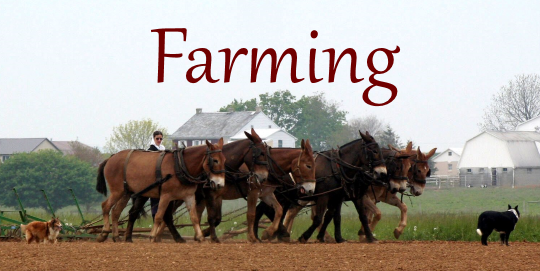
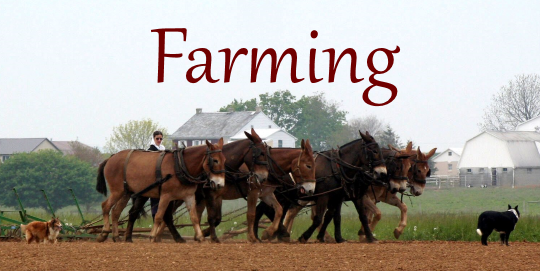
The traditional farming practices of the Amish do more than provide high-quality dairy products and a scenic view of rural life; they also appear to offer a natural resistance to allergies and asthma. The daily routine of working directly with animals in barns, handling organic materials, and living off the grid involves many tricky parts and subtle details that collectively train the immune system.
Experts have noted that while many factors might contribute to allergy prevention, the key element is the degree and timing of exposure. Amish children, for instance, spend significant amounts of time in environments laden with microbes—unlike their counterparts in more sanitized, urban settings who might encounter such benefits much later in life.
This difference can be summarized through the following points:
- Regular exposure to livestock and barn dust
- Engagement in hands-on, outdoor farm tasks from a young age
- Living in a low-pollution, rural environment
- Sustained contact with a diverse array of natural microbes
These practices are not only part of a cultural heritage but also represent a natural blueprint for strengthening the immune system. Instead of relying solely on medical interventions later in life, the Amish lifestyle seems to offer a built-in preventive strategy that involves daily, consistent exposure to beneficial bacteria and natural antigens.
Environmental Factors Driving Allergy Trends in Modern Society
While the Amish have found a way to naturally bolster their immune systems against allergic diseases, conditions in modern urban areas present a very different picture. Urbanization, air pollution, dietary changes, and a predominantly indoor lifestyle have all emerged as significant factors contributing to the increasing prevalence of allergies, asthma, and other respiratory ailments.
Today’s urban environments tend to expose residents to a narrower range of microbes. Air pollution further complicates matters by irritating the airways, making them more susceptible to allergic reactions. The modern diet, often laden with processed foods and lacking in nutritional diversity, might also be depriving the immune system of the necessary building blocks needed for robust development. When coupled with the fear of messiness that encourages over-sanitization, modern life can create a setting where the immune system is left undertrained and overreactive.
A closer look at these environmental factors reveals some key issues:
- Reduced outdoor activity and natural exposure
- Prevalence of pollution and chemical irritants
- Dietary patterns lacking in variety and essential nutrients
- Overuse of antibiotics and sterilization products
These factors interact in ways that are both tricky and tangled, making it challenging for individuals to build up tolerance to everyday allergens. In contrast, the Amish experience regular and balanced exposure through their interaction with nature, which seems to recalibrate and enhance their immune responses.
Reinterpreting the Hygiene Hypothesis: From Cleanliness to a Microbial Approach
The traditional hygiene hypothesis posited that early exposure to infections or unhygienic conditions could help prime the immune system against allergies. However, new research is reframing the conversation, suggesting that it is not simply about being less clean but about acquiring the correct types of microbial exposure. Instead of over-sanitizing environments, the focus is shifting toward encouraging exposure that is both safe and developmentally beneficial.
This shift in perspective can be summarized by identifying several critical changes in understanding:
- The immune system requires microbial stimulation during its formative years.
- Not all microbes are harmful; in fact, many are key to immune training.
- Exposure to farm dust and natural environments provides a unique blend of these beneficial microbes.
- The protective effect is most pronounced when the exposure begins at a very young age.
Researchers now speak of a microbial hypothesis, which encapsulates the idea that the early introduction of beneficial bacteria—such as those found in farm dust—plays a super important role in fostering a robust immune response. This new view is driving studies that aim to develop treatments such as specialized probiotics or plant-derived essential oils that mimic characteristics of the farm environment.
By learning from traditional farming practices, scientists hope to create effective, non-invasive methods to lower allergy rates in children from various backgrounds. The promise of such advances is vast, as millions of families grapple with the nerve-racking impacts of recurrent allergies and asthma.
The Impact of a Rural Lifestyle on Immunity: Case Studies and Comparative Research
Comparative studies between different farming communities have revealed that not all rural lifestyles yield the same benefits when it comes to allergy prevention. For example, research comparing Amish and Hutterite children—a pair of groups with similar genetic backgrounds but differing in their farm exposure routines—offered striking insights. While both communities engage in traditional farming, Amish children are exposed to barns and live animals almost daily from an early age. In contrast, children in Hutterite communities tend to encounter these environments much later, around the age of 12, when they start learning farm work.
This seemingly small difference in timing has large effects: Amish children display four times lower rates of asthma and a six-fold lower prevalence of allergic sensitization than Hutterite children. The primary distinction appears not to be genetic but rather environmental—specifically, the early and frequent exposure to farm dust and animals that Amish kids enjoy.
Consider the following bullet list summarizing the protective elements observed in the Amish lifestyle:
- Early, frequent contact with animal barns and livestock
- High levels of microbial diversity in the home environment
- A lifestyle that fosters continuous, natural exposure to allergens in a balanced manner
- A cultural tradition that minimizes the use of harsh sanitizing products, thus preserving a beneficial microbial community
These findings are a call to action for both researchers and public health professionals. The goal is to replicate, as much as possible, the beneficial aspects of the Amish lifestyle in other populations, especially in urban settings where the rates of allergy are disturbingly high. The challenge now is to figure a path for integrating these lessons into a modern framework that can help reduce allergy rates without necessitating a full return to rural life.
Modern Allergies: Recognizing the Intimidating Challenges of Urban Living
As we take a closer look at our current environment, we find that urban life brings with it a set of conditions that may inadvertently contribute to the rise in allergic diseases. The modern world, with its bustling cities, often presents exposures that are full of problems, from air pollution to synthetic chemicals, that can trigger or exacerbate allergies. In cities, children rarely play outdoors for extended intervals, and their exposure to beneficial microbes is significantly lower than that of their rural counterparts.
Many urban dwellers feel overwhelmed by the nerve-racking challenge of safeguarding their families against allergens. Parents often find it off-putting to consider taking less stringent measures around cleanliness. Yet, emerging research suggests that some of these very measures may contribute to the problem by depriving the immune system of needed microbial interactions.
A summary of the main factors contributing to the urban allergy epidemic includes:
- Limited natural outdoor play and microbial exposure
- High levels of air pollution and chemical irritants
- Overuse of antibiotics and highly sanitized products
- Dietary shifts toward processed and nutrient-poor foods
Addressing these issues involves not only improving urban living conditions but also rethinking how we manage our exposure to natural elements. Medical experts are beginning to advocate for carefully controlled exposure strategies during infancy and early childhood—a practice that could help the immune system develop properly, much like what is observed in Amish and other traditional farming communities.
Finding Your Path: Translating Amish Techniques into Modern Preventive Strategies
While it is unlikely that every family will be able to embrace the full spectrum of a rural, farm-based lifestyle, the research into Amish allergy resistance offers a promising template for developing interventions that can benefit urban populations. Scientists are actively investigating ways to mimic the protective effects of farm dust and early microbial exposure through innovative means. One promising approach is the development of probiotics tailored to stimulate the immune system in ways that mirror the natural immune training provided by farm environments.
For example, research into probiotic formulations has already shown that introducing beneficial bacteria early in life can reduce the risk of developing allergic diseases, such as asthma, hay fever, and eczema. Similarly, innovative work involving essential oils and other natural substances suggests that it might be possible to create inhalable treatments or supplements that replicate the microbial cocktail found in the Amish environment.
Below is a table summarizing potential strategies that are being explored to translate Amish practices into modern allergy prevention methods:
| Strategy | Description | Potential Benefits |
|---|---|---|
| Probiotic Supplements | Introducing beneficial bacteria early in life | Enhances immune education and reduces hypersensitivity |
| Farm Dust Extracts | Developing inhalable or topical formulations using components derived from farm dust | Mimics protective effects of rural environments on airway responses |
| Essential Oils & Natural Extracts | Using bioactive compounds from plants and microbes to modulate immune responses | May reduce inflammation and strengthen airway defenses |
| Controlled Outdoor Exposure | Encouraging safe, scheduled outdoor activities that increase microbial interaction | Supports natural immune system training in early childhood |
As researchers continue to figure a path through these tricky parts and tangled issues, there is a growing sense of optimism that modern medicine can benefit from the wisdom of age-old farming practices. The goal is not to encourage everyone to leave urban comforts behind but rather to incorporate elements that can enhance immune resilience.
Expert Opinions: A Balanced View on the Future of Allergy Prevention
Healthcare professionals from various fields have expressed cautious optimism about the potential breakthroughs stemming from these studies. Experts like Carole Ober and Donata Vercelli have stressed that while allergic diseases remain a major challenge, the insights gleaned from traditional farming communities offer a critical new angle for designing preventive interventions. They argue that once we fully understand the fine points of these natural processes—whether through microbial exposure or the protective delivery mechanisms found in farm dust—we can develop strategies that are both effective and safe.
Dr. Kirsi Järvinen-Seppo, for instance, highlights the importance of early microbial colonization in shaping the immune system. Her work comparing Mennonite and urban infants underscores the idea that the window of opportunity for immune training is limited, and missing it might leave the body ill-prepared for future challenges. These opinions, supported by a growing body of research, are urging us to start rethinking how we manage our environments—especially during those early, fragile years of life.
The dialogue among experts points to several pressing questions, including:
- What are the exact substances in farm dust that are key to immune training?
- Can modern interventions safely mimic these exposures without introducing risks?
- How can we incorporate these strategies into the busy lives of urban families?
- What role do dietary and lifestyle changes play alongside these microbial interventions?
These questions are far from trivial, and they highlight the need for a balanced approach that weighs both the benefits and the challenges. The journey ahead is filled with both promising opportunities and some intimidating unknowns, but the dedication of researchers and healthcare experts suggests that meaningful progress is on the horizon.
Conclusion: Weighing Tradition Against Modernity in Allergy Prevention
In a world where living indoors and sanitized environments have become the norm, the Amish community provides a vivid example of how traditional lifestyles can offer important lessons for modern healthcare. The evidence is mounting that regular, early exposure to farm dust and the myriad microbes it carries is linked to lower rates of allergies and asthma. While the modern urban lifestyle seems to lack these natural protections, the solution may not be to revert to rural life but to innovate methods that replicate these benefits in a safe, controlled manner.
By taking a closer look at the Amish way of life, we can begin to untangle the tricky parts and hidden complexities of allergic diseases. As researchers continue to poke around and dig into the small distinctions between different microbial exposures, new products and preventive measures are bound to emerge. These future therapies might include specialized probiotics, farm dust-derived compounds, and controlled outdoor exposure regimes—all aimed at re-educating the immune system in its early years.
The promise of such innovations is enormous. For the millions affected by allergies and respiratory conditions, any strategy that can reduce the nerve-racking and often intimidating burden of these diseases is a welcome development. Traditional farming practices, honed over generations, show that nature has provided us with a recipe for resilience—one that modern science is only now beginning to unpack.
As we manage our way through the challenges of modern urban living, it is clear that we must find a balanced path that draws on both the insights of classic agrarian lifestyles and the sophisticated tools of contemporary medicine. Embracing the lessons of the Amish could very well serve as a turning point in our ongoing battle against the rising tide of allergic diseases.
In summary, the Amish model offers a compelling demonstration of how natural, consistent exposure to beneficial microbes can train the immune system and lower the incidence of allergies and asthma. Rather than viewing the increase in allergic diseases simply as a product of unhealthy modern habits, we must also recognize that the touch of nature—whether via a dusty barn or through thoughtfully engineered interventions—could hold the key to a healthier future for all.
As we look forward, it remains crucial to keep an open mind and embrace new possibilities. The journey to develop protective strategies that work in harmony with our biology is filled with twists and turns, yet the path is steadily becoming clearer thanks to the wisdom of traditional lifestyles. With ongoing research and a commitment to integrating the best of both worlds, there is every reason to be hopeful about the future of allergy prevention.
While our modern environment presents several overwhelming challenges, the insights derived from rural, agrarian life remind us that the answers to our most intimidating health dilemmas may lie in a return to nature’s original blueprint. It is an exciting time for both medical researchers and public health advocates as they work together to transform age-old wisdom into modern solutions that could one day benefit millions of people worldwide.
Originally Post From https://www.washingtonpost.com/health/2025/07/20/allergies-amish-hygiene-thesis/
Read more about this topic at
Study Finds Animal Farm Dust Disrupts Gut Microbiome and …
From Amish farm dust to bacterial lysates: The long and …