:max_bytes(150000):strip_icc():focal(990x358:992x360)/brandi-glanville-main-split-080525-1ec5760721ab4bb58259b2a31beafebc.jpg)
Examining the Debate Over PRP Cosmetic Treatments and Celebrity Influence
The world of cosmetic procedures has always been full of twists and turns—and when celebrities like Larsa Pippen step into the spotlight, every aspect of their treatments is scrutinized. Recently, the “Real Housewives of Miami” star’s experience with what she describes as an allergic reaction to a Platelet-Rich Plasma (PRP) treatment has ignited a spirited debate among fans, medical professionals, and critics alike. As someone deeply interested in both modern medicine and alternative health, I’d like to offer a closer look at the various opinions and underlying issues in this case, while also exploring the broader implications of cosmetic treatments in today’s society.
While many viewers find the situation intimidating and nerve-racking, it is important to acknowledge that what may appear as a dramatic reaction on screen could have layers of complicated pieces that we need to untangle. In this editorial, we will take a deep dive into the facts behind PRP procedures, the fine points of this controversial case, and the subtle details of celebrity culture that lead to such public debates. We will glance at the medical explanation for allergic reactions, consider alternative viewpoints, and share some tips for navigating the tricky parts of cosmetic decision-making.
Understanding PRP Procedures and Their Tricky Parts
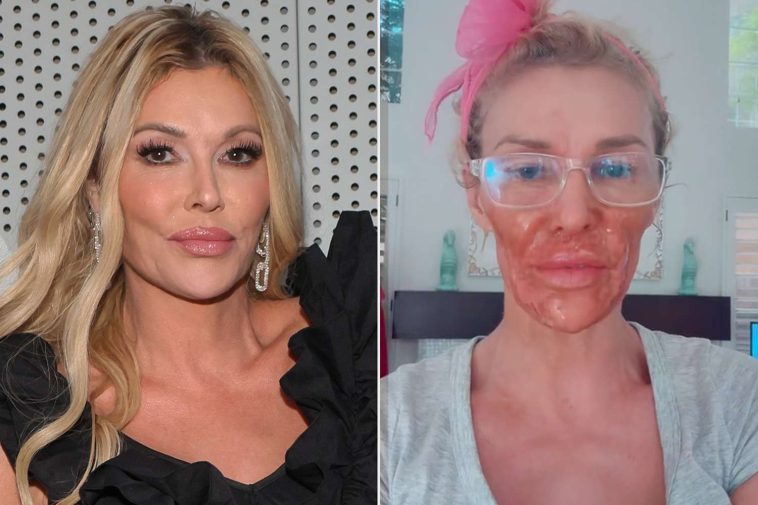
PRP, or Platelet-Rich Plasma therapy, is a treatment that uses a patient’s own blood platelets to promote healing and tissue repair. The idea behind this procedure is to harness the body’s natural repair mechanisms, making it a popular choice in both cosmetic and medical settings. However, the puffy transformation seen on Larsa Pippen’s face has raised questions and prompted discussions about potential side effects—even if those effects may be rare.
Let us break down some of the confusing bits of this procedure:
- What is PRP? – PRP involves drawing a small amount of the patient’s blood, processing it to concentrate platelets, and then reintroducing it into the skin or affected area. This process is intended to stimulate cell growth and collagen production.
- How does it work? – The fine points of the procedure rest on activating the platelets, which contain growth factors. These growth factors are then thought to speed up the natural healing process, improving the quality and appearance of skin. However, every body is a little different, and results can vary.
- What are the potential side effects? – While most patients experience minimal discomfort and reduced downtime, some individuals might see an unexpected response, including swelling or redness. This is typically seen as part of the process, rather than a true allergic reaction to one’s own blood components.
There is no denying that PRP is considered by many experts as a safe, cutting-edge treatment. Still, even the tiniest twist in the process can produce surprising outcomes—giving rise to voices of skepticism and prompting further investigation into what exactly went awry in high-profile cases such as Larsa Pippen’s.
Breaking Down the Fine Points of the Alleged Allergic Reaction
Larsa Pippen’s claim of developing an “allergic reaction” to her PRP treatment is one of the most contentious parts of this debate. Allergic reactions occur when the immune system overreacts to a substance that is typically harmless. In the case of PRP, the injected component is derived from the very same individual, making such reactions highly unlikely from a biological standpoint.
Here are some of the tangled issues worth considering regarding the immune response:
- Immune system involvement: Since the platelets and plasma come from your own body, they are usually well tolerated, which is why allergic responses of this nature are considered to be on the rare side.
- Misinterpretation of symptoms: The swelling or puffy appearance might not be an allergy at all, but rather a natural inflammatory response that appears in the first hours or days after treatment. For many individuals, this is merely part of the healing process.
- Duration of side effects: Most adverse reactions following cosmetic procedures are short-lived. Critics have pointed out that the persistence of Larsa’s reaction, as seen on social media and television, does not align with the expected timeline for side effects from PRP.
The situation is further complicated by the fact that when medical professionals like Dr. Mai Kaga speak out, they call attention to the extremely low probability of such a reaction. Without concrete evidence linking the puffiness to an allergy—as opposed to a standard inflammatory process—viewers and experts alike are left to piece together the hidden complexities of the case.
Insights From Board-Certified Physicians and Medical Experts
In any debate over medical procedures, the voice of board-certified physicians is critical. In this scenario, a board-certified internist, Dr. Mai Kaga, dismantled the explanation provided by Larsa Pippen by emphasizing that allergic reactions to one’s own blood cells are almost unheard of. The key points from her perspective include:
- Scientific reasoning: Dr. Kaga noted that it is biologically implausible to develop an allergic response to components that are inherent to one’s own blood. Instead, what is observed is more likely related to a natural post-procedure reaction, which is both predictable and typically short-lived.
- Duration concerns: As emphasized by Dr. Kaga, if the reaction was indeed an allergy, it would not persist for an extended period—certainly not for several months, if at all, on a streaming network that follows seasonal arcs. This view is supported by the typical healing timeline associated with PRP procedures.
- Implications for patient safety: Medical professionals stress the importance of understanding the fine details of any procedure before undergoing it. With PRP, as with any cosmetic treatment, it is essential to have an informed discussion about both the benefits and potential for minor side effects.
These insights serve as a valuable reminder that while individual experiences can diverge, the scientific basis for medical treatments should remain the foundation for our decisions and expectations. They also underscore the importance of engaging with knowledgeable professionals who can thoroughly explain those hidden details.
Assessing Public Perception and Criticism of Cosmetic Interventions
The public’s reaction to Larsa Pippen’s situation has been as dramatic as the visual effects displayed on screen. Given that reality television often blurs the lines between entertainment and real-life concerns, fans have taken to social media to both criticize and sympathize with the star. This splitting of opinions can be roughly grouped into a few categories:
- Skeptical voices: Many viewers dismiss the idea that an allergic reaction could result from a PRP treatment, arguing that the symptoms described are more consistent with a typical inflammatory response rather than a true allergic event.
- Supporters of celebrity narratives: Conversely, many fans trust the firsthand account shared by Larsa Pippen. They point to the pressures and challenges that come with maintaining a public image, suggesting that even minor health issues can seem amplified in the spotlight.
- Calls for transparency: Regardless of which side they take, a large segment of the public is demanding more clarity on the long-term effects of cosmetic procedures. They want both the celebrities and their medical consultants to provide detailed accounts of the benefits and risks.
This division of opinion illustrates a larger, more complicated picture regarding how cosmetic procedures are perceived in our modern culture. When a well-known personality’s experience becomes public fodder, every minor side effect is magnified, leaving little room to separate the natural healing process from potential complications.
Social media platforms have become a sounding board for these discussions, where every critique and supportive statement contributes to a collective understanding. Nonetheless, one must always carefully figure a path through the sea of conflicting information and consider the source of each opinion.
Weighing the Risk Versus Reward of PRP Treatments
When it comes to cosmetic procedures, particularly those involving modern regenerative techniques like PRP, every decision needs to be critically assessed. The catalyst for this debate is not merely about a single case—it opens up the broader discussion of risk versus reward in cosmetic enhancements.
Key factors that play into the decision-making process include:
- Effectiveness of the treatment: PRP has been hailed as a safe and effective option for many individuals looking to rejuvenate their skin. Yet, individual responses and expectations can vary widely, and what works wonders for one person might produce less desirable results for another.
- Short-term discomfort vs. long-term results: Temporary side effects such as swelling or puffiness might seem off-putting, but if the long-term benefits include smoother, more youthful-looking skin, many argue that this trade-off is acceptable. Nonetheless, transparent communication about these possibilities is key.
- The influence of celebrity culture: When the public sees outcomes on television or social media, they often equate cosmetic enhancements with flawless beauty. The reality, however, is that every procedure carries the potential for minor complications and unexpected turns. To make an informed decision, one must balance the promise of immediate aesthetic improvements with the reality of potential, though usually temporary, side effects.
In the end, the choice to undergo a cosmetic procedure like PRP remains deeply personal. For those considering it, obtaining a detailed consultation with a board-certified professional is not just recommended, it is essential. This step can help mitigate any surprises along the way, enabling patients to enjoy enhanced beauty without the worry of unexplained side effects.
Celebrity Pressure and the Public’s Role in Cosmetic Trends
In our media-saturated era, celebrities serve as both role models and cautionary tales, shaping the public’s expectations and decision-making processes when it comes to cosmetic procedures. Larsa Pippen, a figure hailed by some and critiqued by others, illustrates how celebrity experiences can raise awareness—and sometimes undue anxiety—about the outcomes of such treatments.
There are several subtle details in how celebrity narratives influence public opinion:
- The impact of media portrayal: Television shows like “Real Housewives of Miami” often present glamorous lifestyles alongside dramatic, and sometimes exaggerated, personal challenges. This can lead observers to overemphasize the negative effects of cosmetic procedures, while ignoring the overall benefits experienced by many other individuals.
- Celebrity endorsements versus real experiences: It is important to remember that the glamorous image promoted on TV is only a snapshot of reality. Behind the scenes, celebrities once again undergo the same scrutiny and pressure as anyone else, and their experiences remind us that even the most watched individuals are not immune to minor complications or the need for follow-up care.
- Influence on consumer behavior: When a celebrity faces public debate over a cosmetic treatment, it often triggers a ripple effect. People become more cautious or even anxious about undergoing similar procedures, especially when detailed accounts of potential side effects are shared widely, whether accurate or not.
At its core, the public’s reaction to celebrity cosmetic procedures reflects both admiration and apprehension. While many celebrate the benefits of modern regenerative treatments, others are quick to caution against overfilling and unnecessary enhancements. In this context, the on-screen experiences of figures like Larsa Pippen play a pivotal role in shaping trends and encouraging others to get into thorough research before deciding on cosmetic procedures.
The Role of Alternative and Natural Healing Approaches
When we’re discussing cosmetic treatments, one cannot overlook the growing interest in alternative medicine and natural healing options—a trend that has gained traction alongside modern treatments like PRP. Many individuals are now exploring green alternatives that promise results with fewer side effects.
Here, we take a closer look at some of the key considerations:
- Holistic skincare approaches: Alongside advanced procedures, many now advocate for holistic and integrative skincare techniques that encompass diet, supplements, and lifestyle changes. These methods aren’t always as rapid as medical procedures, but they often work gently with the body’s own rhythms and processes.
- Natural remedies: From nutrient-rich diets to the use of natural oils and botanical extracts, many believe that nurturing the skin organically can often lead to longer-lasting results without the intense side effects associated with more invasive techniques.
- Alternative therapies: Interventions such as acupuncture, herbal medicine, and even mindfulness and stress reduction practices are increasingly part of the conversation when discussing rejuvenation and healing. For some individuals, these techniques can work together with cosmetic treatments to produce a more balanced approach to overall wellness.
Integrating these alternatives into one’s overall plan can help reduce both the nerve-racking uncertainties and the potential for over-treatment. When faced with choices—be it a cutting-edge PRP procedure or a round of natural supplements—finding your path often comes down to awareness and personalization. What works for one person might not be ideal for another, especially when factoring in unique genetic traits and underlying health conditions.
Comparing Cosmetic Procedures: Overfilling Versus Natural Enhancement
A recurring topic in discussions around cosmetic interventions is the tension between overfilling and natural enhancement. The debate often centers on how much intervention is too much, and whether transformative procedures inadvertently obscure a person’s natural features. In Larsa Pippen’s case, some viewers pointed to previous denials of other cosmetic surgeries as evidence against her current explanation.
Let’s take a closer look at the small distinctions in these approaches:
- Overfilling: Critics argue that an overfilled or heavily altered appearance can lead to results that feel artificial or exaggerated. This reaction not only affects public perception but may also contribute to the physical discomfort or prolonged healing times post procedure.
- Natural enhancement: On the other hand, advocates of a more restrained approach believe that subtle improvements accentuate natural beauty rather than mask it. Here, the aim is not to radically transform but rather to highlight the individual’s inherent charm.
- Importance of consultation: It is super important for individuals to have honest discussions with their doctors about their goals. Clear communication about the desired outcome can help balance the effects of medical intervention with the preservation of one’s natural look.
In many ways, the debate over overfilling reflects broader trends in the beauty industry. With so many options available—from non-invasive treatments to more aggressive surgical procedures—making your way through the landscape requires careful thought and personal valuation of what “beauty” means to you. A balanced approach, rooted in realistic expectations and professional advice, is often the best route to achieving results that are both visually pleasing and medically sound.
Medical Safety and the Importance of Professional Guidance
No matter how innovative a treatment might seem, the value of professional guidance cannot be overstated. Whether considering PRP or alternative healing paths, it is critical for anyone to understand the small distinctions between various treatments and what each entails for their health and safety.
This segment deserves a closer look for those wondering how to best manage their cosmetic choices:
- Pre-procedure consultations: Always start with detailed consultations with board-certified professionals. These sessions are designed to help you get around the tricky parts of the treatment, ensuring that you know what to expect and how to handle any complications if they arise.
- Understanding your unique body needs: Not every procedure works the same for every person. Factors such as age, skin type, and overall health can all play a role in how one responds to treatments like PRP. Knowing your body means you are better equipped to predict and manage potential outcomes.
- Post-treatment care: Following up after any procedure is key. Adhering to post-procedure instructions—whether it involves medications, avoiding certain activities, or scheduling follow-up appointments—can make all the difference in ensuring a smooth recovery.
- Monitoring and addressing changes: Finally, continuously monitor any changes in your skin or overall health. If something seems off or persists longer than the typical recovery time, don’t hesitate to seek a second opinion from another healthcare provider.
These steps are not just suggestions—they are crucial measures for anyone venturing into the world of cosmetic enhancements. They allow you to figure a path through the potential pitfalls and dramatic public narratives that can sometimes accompany these procedures. The aim is always to ensure that your personal health and well-being are prioritized above all else.
What This Celebrity Case Teaches Us About Health and Cosmetic Trends
The unfolding drama on “Real Housewives of Miami” with Larsa Pippen provides more than just entertainment—it offers valuable lessons in the ongoing evolution of cosmetic trends. It serves as a case study in how public figures manage health issues under the bright lights of media while balancing the fine shades between appearance and authenticity.
Here are several key takeaways that emerge from this debate:
- Be cautious yet informed: Before diving in headfirst into any cosmetic procedure, it is important to digest all available information—from scientific studies and medical testimonials to personal accounts of those who have undergone similar treatments.
- Don’t let public opinion cloud personal decision-making: While media coverage can sometimes exaggerate side effects or imply risks that are not supported by clinical evidence, remember to rely on expert advice tailored to your unique health profile.
- Transparency is key: Whether you are a celebrity or an everyday person, being open about your experiences can be incredibly educational for others. Sharing both the benefits and potential tricky parts of a procedure contributes to a broader understanding and responsible usage of cosmetic treatments.
- Balance your choices: Combining medical treatments with natural and holistic approaches can lead to more sustainable outcomes. It’s about finding the right blend for your body that steers you clear of over-treatment while still enjoying meaningful results.
This case ultimately challenges us to look beyond the headlines and consider the many layers behind cosmetic procedures. Rather than accepting extreme narratives—either in favor of unchecked enhancements or complete rejection of medical intervention—we should strive for a balanced view that respects both the art of medicine and the natural processes of healing.
Taking a Closer Look at the Societal Impact of Cosmetic Procedures
Much has been said about how cosmetic trends shape societal perceptions of beauty and health. Public figures like Larsa Pippen not only influence those who avidly follow reality TV, but they also set trends that ripple across demographics. This phenomenon of media-driven beauty standards creates both opportunities and challenges for individuals looking to enhance their appearance.
Let us break down some of these subtle details:
| Area of Impact | Positive Outcomes | Potential Challenges |
|---|---|---|
| Increased Awareness | More individuals learn about modern cosmetic options like PRP and alternative healing methods. | Information can be distorted or sensationalized, leading to misperceptions. |
| Consumer Choice | People have more options to balance natural features with innovative medical procedures. | Pressure from media can sometimes push individuals toward unnecessary procedures. |
| Medical Advancements | High-profile cases may drive further research and improvements in safety and efficacy. | Misinformation can lead to unrealistic expectations of treatment outcomes. |
This table highlights the need for a measured approach—a balance between appreciating advances in cosmetic medicine and staying aware of the nerve-racking potential for misinformation. Whether a person is already deeply involved in the cosmetic community or merely tentatively exploring new options, keeping an informed perspective is super important.
Guidelines for Making Informed Cosmetic Decisions
For anyone considering cosmetic procedures, having clear guidelines can help in finding your way through the maze of treatment options. Based on insights from both modern and alternative medicine, here are some practical suggestions for those on the verge of such decisions:
- Research extensively:
- Look up clinical studies, expert opinions, and patient testimonials.
- Dive in by reading both scientific literature and informal online discussions.
- Consult multiple professionals:
- Start with a board-certified physician who can explain the process and set realistic expectations.
- Consider seeking advice from alternative health practitioners if you lean towards natural approaches.
- Assess your goals:
- Determine whether you seek dramatic change or subtle enhancement.
- Evaluate how temporary downtime aligns with your lifestyle.
- Prepare for post-procedure care:
- Follow recovery guidelines meticulously to avoid complications.
- Set up a follow-up schedule to monitor progress and address concerns promptly.
These practical steps are designed to steer you through the confusing bits of cosmetic decision-making. With objective information and professional guidance, you’re more likely to achieve results that enhance your natural beauty without the added stress of unforeseen complications.
Final Thoughts: Balancing Expectations With Reality
As we reflect on the drama surrounding Larsa Pippen’s alleged allergic reaction and the ensuing public discourse, it is essential to remember that every individual’s experience with cosmetic procedures is unique. While high-profile cases offer valuable lessons, they also remind us of the importance of managing our own expectations. The fine shades between a naturally occurring inflammatory response and an atypical allergic reaction must be understood carefully before drawing broad conclusions.
At the end of the day, cosmetic treatments, whether modern interventions like PRP or more natural healing methods, come with their own set of tricky parts. It is the responsibility of both patients and practitioners to work together, ensuring that choices are made with complete information and realistic expectations.
The saga of celebrity cosmetic treatments, amplified by media narratives and social media commentary, underscores the need for caution. By examining each side of the debate, understanding the super important aspects of safety, and staying informed through reputable sources, individuals can better figure a path that is both aesthetically pleasing and medically sound.
In conclusion, while the buzz around Larsa Pippen’s experience may seem overwhelming and full of problems in its public portrayal, it serves as a catalyst for deeper thought about how we approach cosmetic enhancements today. With the proper mix of cutting-edge procedures, thoughtful alternative approaches, and careful professional guidance, it is entirely possible to achieve an effective balance between looking good and staying healthy.
Moving forward, let us not be swayed solely by the dramatic imagery of a puffy face on reality TV. Instead, let us take a closer look at the science behind cosmetic treatments, the inherent variability of human biology, and the nuanced decisions that each person must make. Only through this balanced perspective can we ensure that cosmetic procedures remain a tool for empowerment rather than a source of unnecessary tension.
Ultimately, it is super important for all of us—celebrities and everyday people alike—to remember that beauty is subjective, deeply personal, and best enhanced when efforts are made with care and knowledge, rather than by yielding to fleeting trends and sensational headlines.
Originally Post From https://entertainmentnow.com/bravo/real-housewives-allergic-reaction-dramatic-change/
Read more about this topic at
Hailey Bieber’s SHOCKING Allergy Drama on TikTok!
The heroine was disfigured because of cosmetic allergy …