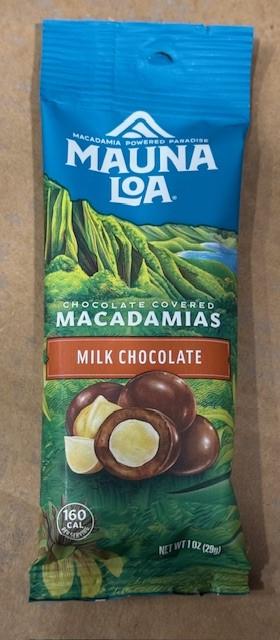

Examining the Recall: A Wake-Up Call for Consumer Safety
The recent voluntary recall of select bags of Mauna Loa dark chocolate-covered macadamias has stirred a significant discussion on consumer safety and the responsibility of food manufacturers. Although on the surface, a recall might seem like a routine matter, it exposes the tangled issues behind food labeling, allergen management, and public health communication. As someone who follows both modern and alternative healthcare practices, I feel it is essential to dig into the details of this recall and explore its broader implications for our community.
In this opinion piece, I will take a closer look at the recall, discuss the confusing bits of allergen labeling, and explore what steps we might consider taking in order to better protect consumers, especially those with nut allergies. We face a nerve-racking situation when the food we trust is loaded with unlisted ingredients, and this case is a clear example of just how critical transparent production processes are in a safe society.
Public Health and Food Labeling: A Modern Concern
Food recalls are not new, but each incident reminds us of the tricky parts underlying packaging and ingredient disclosure. The recall of Mauna Loa dark chocolate macadamias came to light due to undeclared almonds and cashews, posing an intimidating risk for those with nut allergies. While regulatory agencies and manufacturers typically aim to uphold high standards by ensuring that product labels are correct, sometimes the fine points become overlooked disasters that could have severe outcomes for consumer safety.
When a product is recalled because of an ingredient omission, it reveals the intertwined relationship between food safety, effective communication, and public trust. For many consumers, particularly those who manage multiple allergies, even the smallest mistake in labeling can lead to challenging, sometimes even life-threatening, consequences. With this backdrop in mind, it is worth examining how our food labeling system works and what can be done to prevent such oversights.
Understanding Allergen Warnings and Consumer Safety
An important aspect of this recall is its impact on individuals with nut allergies. In a world where our food systems are ever more complex, the omission of even a single allergen from a product label can have far-reaching consequences. For consumers who rely on accurate information to steer through the wide market of food products, the recall represents a stark reminder that transparency is super important.
Product recalls like this one not only put individual health at risk, but also challenge the public’s trust in food safety and labeling regulations. Consumers expect clear, unambiguous ingredient lists, and any deviation can lead to confusion and potential health hazards. It’s not simply about business compliance; it’s about ensuring that those eating these products face minimal risk when trying to enjoy their food without worrying about hidden allergens.
Product Recall Details: What You Need to Know
For those wondering about the specifics, here are the details of the recalled Mauna Loa Dark Chocolate Covered Macadamias:
| Product Size | UPC | Lot Number | Best by Date |
|---|---|---|---|
| 0.6oz bag | 0 72992 05464 4 | K5069C1 & K5069C2 | 10/2026 |
| 4oz bag | 0 72992 05556 6 | B4339E1 & B4340E1 | 07/2026 |
This table serves as a quick guide to help consumers identify if the product in their possession falls into the recall category. For those who have purchased these products, returning them for a full refund is recommended. The decision to issue a recall on a voluntary basis highlights a commitment by public health services to protect community members against unintended exposure to allergens.
Digging Into the Allergen Challenge: What Went Wrong?
It is essential to understand the little details that lead to such recalls. The presence of undeclared almonds and cashews in a product that was ostensibly marketed as a safe treat for nut-sensitive consumers reflects more than just a labeling error; it points to a series of tangled issues.
When manufacturers prepare food products, they must manage several complicated pieces, including supply chain oversight, ingredient cross-contamination, and stringent quality control measures. With modern production runs that often involve multiple ingredients and processing equipment, it is not uncommon for subtle lapses to occur. However, when these oversights arise in allergen listings, the effects can be overwhelming for those with sensitivities.
The situation is a reminder that even well-regulated processes can sometimes skip over critical checks. As a community, we must consider whether the current standards are enough or if we need more robust, frequent checks and corridors of accountability. The recall should prompt both manufacturers and regulatory bodies to find a more reliable path through any brand of production error.
Understanding the Production Process and Hidden Complexities
One of the puzzling aspects of many food recalls is the gap between the intended composition of a product and what actually ends up on the supermarket shelf. The production of chocolate-covered macadamias involves multiple steps—from sourcing macadamias and cocoa to coating and packaging. Each step has its own set of tricky parts and potential points of failure.
Here are some of those hidden and complicated pieces of the production process:
- Sourcing of Ingredients: The initial selection of nuts from various suppliers requires rigorous testing. Cross-contamination with other nuts might occur if suppliers do not adhere to strict segregation protocols.
- Processing and Coating: The chocolate coating process is a complex step where even minor equipment residue can introduce foreign allergens into the product.
- Packaging Labelling: This step is crucial because it is the final line of communication to the consumer. Any oversight in the labelling process can lead to significant health risks.
- Quality Control and Auditing: Frequent quality checks and independent audits need to happen more consistently. Any lapse can create ripple effects down the production line.
Even a single misstep among these subtle details can result in products that are not safe to consume. Manufacturers need to work through these twists and turns with care, ensuring that every product releases into the market meets the highest standards.
Examining the Manufacturer’s Role and the Responsibilities of Regulatory Bodies
The recall has undeniably thrown the spotlight on the responsibilities of both manufacturers and regulators in safeguarding public health. It is essential that industry players appreciate that mistakes in allergen labeling are not merely clerical errors; they are issues that could potentially cause severe health consequences.
Manufacturers must invest in robust quality assurance processes and regular training sessions for their staff. Meanwhile, regulatory bodies should update their monitoring protocols to keep pace with the evolving production techniques in the food industry. Both sides should work together to address the hidden complexities that often result in product recalls.
Accountability in the Production Chain
A critical piece of resolving such issues lies in establishing clear accountability throughout the production chain. From the raw ingredient suppliers to the final packaging units, every link in the chain must adhere to strict guidelines. Regulatory bodies, like the Department of Public Health and Social Services, play a key role by issuing recalls and public warnings when the system fails.
Here are some ways that accountability can be enhanced:
- Regular Audits: Both internal and external audits can help ensure that the production process is free of hidden complexities.
- Staff Training: Comprehensive training programs about allergen management can help prevent accidental cross-contamination.
- Technology Integration: Implementing advanced tracking and quality control systems can catch early signs of error in the manufacturing process.
- Clear Communication: Quick and effective communication between manufacturers, retailers, and consumers is essential in recalling affected products if necessary.
By reinforcing these practices, the industry can find the right balance between speed and precision—ensuring that while production remains efficient, it also does not compromise on safety. These considerations are key, as they help build consumer trust, which is essential for the smooth functioning of our food supply chain.
Consumer Perspectives: Feeling Overwhelmed in a Loaded World of Food Allergens
The digital age presents consumers with an overwhelming amount of information—and sometimes, misinformation—regarding food products and allergy safety. While many individuals take great care to review labels and research products, the existence of recall incidents inevitably shakes the confidence of even the most careful shoppers. It raises crucial questions: How can consumers be sure that safe practices are followed at every stage? And what measures can be put in place to protect those at risk?
For consumers with allergies, particularly nut allergies, the presence of unlisted ingredients means that every meal can potentially be a minefield. The ever-evolving list of allergens that one must avoid is a reminder that our bodies react to even the slightest unexpected ingredient. With the rise of online shopping, where physical inspection is limited, food recalls like these serve as an urgent reminder to be extra vigilant about sourcing and verifying product information.
Strategies to Protect Yourself in an Intimidating Market
In light of these concerns, it is essential for consumers to adopt a series of practical strategies to mitigate risk:
- Double-Check Labels: Always review the ingredient list and allergen warnings, even on products you have purchased before.
- Stay Informed: Subscribe to trusted local news sources or public health announcements that provide updates on recalls and safety alerts.
- Ask Questions: If there is any confusion regarding a product’s ingredients or safety, do not hesitate to reach out directly to the manufacturer or your local health department.
- Educate Yourself: Understanding how food is processed and labeled can help you figure a path to safer choices. Knowledge is a defense against unintended exposure.
These tips are not only useful for handling the current recall situation—they are also valuable for everyday decision-making in an environment that is sometimes loaded with tricky parts and unexpected surprises. Taking the time to work through product details and seek clarity can be the difference between a simple snack and a medical emergency.
Reimagining Allergen Labeling for a Safer Future
What does this recall tell us about the future of allergen labeling? Today’s society demands a higher standard of communication from its food providers. It is clear that the current system is not enough to guarantee safe consumption for everyone. The recall of Mauna Loa dark chocolate macadamias should serve as an impetus for change in how we think about ingredient validation and transparency.
One potential improvement is further investment in technology that automatically detects allergens in products during the production process. Automated quality control systems can analyze every batch, ensuring that the little details do not fall through the cracks. Another area of promise is the increased use of blockchain or similar traceability solutions, which can offer a real-time record of every ingredient’s source and production journey.
Innovative Approaches to Food Safety
Here are a few innovative strategies that could transform the allergen labeling process:
- Smart Packaging: Integrating technology into packaging that clearly displays real-time information and updates regarding product ingredients.
- Enhanced Traceability Systems: Using blockchain or similar systems to provide an unalterable record of every ingredient’s origin.
- Automated Testing Equipment: Implementing advanced testing apparatus that can quickly detect the presence of allergens in finished products.
- Consumer Feedback Platforms: Creating digital hubs where consumers can readily report discrepancies and check product safety updates.
These measures could help guide both manufacturers and regulatory bodies in tracking down errors before they reach the consumer. Such steps are essential in an increasingly complicated production environment, where even small mistakes can create big problems.
The Role of Regulatory Agencies: Protecting Public Health in a Tense Environment
The recall also puts regulatory agencies under the microscope. The public health department, by issuing a voluntary recall and providing clear information about the affected batches, has shown that it is prepared to work through the challenges in modern food safety protocols. However, this incident highlights that more regular oversight may be needed to ensure that these types of errors do not become common occurrences.
Regulatory agencies must continuously update their guidelines and protocols to keep pace with innovative production methods and the growing complexity of ingredient sourcing. The recall serves as a reminder that safeguarding public health is an ongoing responsibility, one that requires both preventative measures and reactive strategies when errors occur.
Key Areas for Regulatory Improvement
Here are a few areas where regulators can make a substantial difference:
- Frequent Inspection Routines: Increased inspections and random testing of food products can catch hidden complexities before they escalate.
- Stricter Labeling Laws: Implementing more comprehensive labeling requirements ensures that every product carries the critical, super important details that consumers need.
- Faster Response Protocols: By developing more agile response systems, regulatory agencies can reduce the time between the discovery of an issue and the public announcement of a recall.
- Collaborative Industry Standards: Working closely with manufacturers to develop best practices for allergen management can streamline processes and reduce the occurrence of errors.
These improvements are not just administrative; they directly impact the everyday safety of consumers. By taking swift, coordinated action, both public health agencies and manufacturers can work together to make food safety a shared priority.
A Call to Action: Protecting Consumers and Restoring Trust
The recall of Mauna Loa dark chocolate macadamias, while concerning, presents an opportunity for all stakeholders—manufacturers, regulators, and consumers—to review and revise their approaches to food safety. The twisting paths of ingredient sourcing and production require a concerted effort to figure a path that is free of confusing bits and hidden pitfalls.
For manufacturers, this means investing in better technology, staff training, and stricter quality control measures. For regulatory bodies, it means enhancing oversight and implementing faster, more effective recall and response protocols. And for consumers, it means staying informed, verifying product details, and holding companies accountable through constant vigilance.
Steps Forward for a Safer Food Landscape
Looking ahead, I believe we all have a role in creating a food environment that minimizes risks and maximizes trust. The following steps could contribute significantly toward a safer landscape:
- Enhanced Collaboration: Encourage dialogue between food manufacturers and regulatory agencies to catch mistakes early. Joint task forces and regular review meetings could help manage the subtle parts that lead to production errors.
- Consumer Engagement: Develop easier channels for consumers to report safety concerns or labeling errors. Improved public feedback loops can play a crucial role in preventing future recalls.
- Education and Outreach: Launch public health campaigns on how to read labels carefully, what allergens to watch out for, and the steps to take if a recall is announced. An educated consumer base is the best defense against overlooked details.
- Stronger Penalties: Implement penalties for companies that repeatedly fail to meet labeling standards. This could deter negligence and promote a culture of rigorous quality control in food production.
While these actions are ambitious, they represent a necessary shift from a reactive to a proactive approach in dealing with food safety. An environment that is full of problems in its current state can only improve if all parties are willing to take on the responsibility of protecting human health.
Concluding Thoughts: Building a Future of Transparency and Safety
The Mauna Loa product recall serves as a stark reminder that in a world where our food supply chains are interwoven with many subtle details, caution should always be at the forefront. Even as technological advances revolutionize how food is produced and tracked, human oversight remains a critical and sometimes vulnerable link in the process.
This incident is an opportunity for reflection. It challenges both public health officials and manufacturers to work through each of the intimidating, tangled issues that come with food production today. From improving automated detection systems to creating more effective communication channels for consumers, every step matters in building a system that is reliable and safe.
At its heart, the recall underscores a simple truth: all of us deserve to have access to food products whose packaging and ingredient lists truly reflect their contents. By not only identifying but also addressing the small twists and turns along the production chain, we can help pave the way for a future where food recalls are the exception rather than the rule.
It is my sincere hope that this episode will spark discussions among stakeholders regarding the importance of accurate food labeling. We must take the opportunity to ensure that every product on our shelves is thoroughly vetted, leaving no room for the confusing bits or hidden complexities that have so far undermined consumer trust.
In the meantime, consumers are advised to remain vigilant, double-check product labels, and contact the appropriate public health authorities if they come across any discrepancies. The current recall serves as a call to action—a reminder that protecting public health in today’s complex food landscape requires a collaborative, multi-faceted approach.
The Economic and Social Implications of Food Recalls
Beyond the immediate concerns for personal health, food recalls like these also have broader economic and social consequences. When a recall is announced, it affects not only the consumer’s right to safe food but also shakes the confidence of partners in the supply chain, from retailers to local distributors. Such incidents can result in declines in consumer spending, increased costs for manufacturers implementing corrective measures, and even changes in trade policies that govern food safety standards.
Socially, the ripple effects are equally significant. Communities affected by repeated incidents may find themselves in a state of alert, where trust in familiar brands is eroded. This environment of tension can lead consumers to question the effectiveness of regulatory oversight and the commitment of manufacturers to uphold safe practices. As we work through these issues, it becomes clear that ensuring transparency is not merely a regulatory requirement but also a social imperative—a foundation upon which consumer confidence is built.
Charting a Course Through Public Health Challenges
As public health professionals and informed consumers, we must work together to chart a course through the nerve-racking challenges presented by today’s food production environments. Here’s a brief overview of key focus areas:
| Focus Area | Recommended Action |
|---|---|
| Ingredient Verification | Implement real-time testing and improved traceability technologies. |
| Staff Training | Conduct frequent training sessions on allergen management and safety protocols. |
| Regulatory Oversight | Increase inspection routines and enforce stricter labeling regulations. |
| Consumer Education | Launch public awareness campaigns on distinguishing safe from risky products. |
This table illustrates that while the issues are many and varied—ranging from equipment cleanliness to labeling accuracy—they are not insurmountable. Each area represents a point at which improvements can be systematically introduced. By working through these fine points diligently, we can make major strides toward a safer, more transparent food environment.
Final Reflections: Toward an Era of Greater Food Transparency
The recall of Mauna Loa dark chocolate-covered macadamias reminds us that every seemingly minor oversight in a complex production process can result in profound consequences. Allergens that are not clearly communicated not only endanger individuals with sensitivities but also challenge the overall integrity of our food systems.
As I reflect on this episode, I am struck by how much it encapsulates the technological, regulatory, and social layers that define modern food production. While the current situation may appear intimidating and even overwhelming, it is in these moments of challenge that we are offered the chance to improve and innovate.
Improving food safety is not just an administrative undertaking—it is a commitment to every person who puts their trust in the products they buy. Each recall, each correction, and each step forward represents our collective effort to build a world where safe, clearly labeled food is the norm rather than the exception.
Let this recall be a rallying cry for all who are concerned with public health. Manufacturers, regulators, and consumers alike must remain engaged, continuously learning from each incident and pushing for improvements in the processes that guide our daily lives. Through perseverance, technological advancements, and a shared commitment to transparency, we can ensure that our food supply meets the safest and most ethical standards possible.
In conclusion, the voluntary recall is not just a story about a particular product—it is a microcosm of the broader challenges facing our modern food system. It illustrates the need for ongoing dialogue, coordinated action, and a united front among all stakeholders. By working together and remaining vigilant, we can help navigate these confusing bits and tricky parts, ensuring that the food on our tables is safe for everyone.
Now more than ever, our ability to adapt and improve will define the future of food safety. As we move forward, let us remember that every ingredient list is a promise of transparency and safety—a promise that must be honored to protect both public health and consumer trust.
May this incident serve as a reminder of the critical importance of accurate labeling and robust safety protocols. Let us all commit to a future where every product is thoroughly vetted, every detail is respected, and every consumer is given the information they need to make safe choices. Only then can we truly celebrate a food system free of the hidden complexities and nerve-racking surprises that currently put so many at risk.
Originally Post From https://www.kuam.com/story/52725454/public-health-recalls-select-mauna-loa-dark-chocolate-macadamias-due-to-potential-allergens
Read more about this topic at
Trophy Nut Co. Issues Allergy Alert Due to Undeclared …
Nut company recalls product over possible life-threatening …

