Halloween Food Safety: A Critical Look at Party Preparations
As autumn paints our neighborhoods with vibrant hues and chilly breezes tickle our senses, Halloween quickly emerges at the doorstep. Beyond costumes and spooky decorations lies a less glamorous yet equally important aspect: food safety. With party foods and delectable treats taking center stage, the responsibility of ensuring that every morsel remains safe to eat becomes super important. In today’s editorial, we’ll dive deep into the subject, unpacking the tricky parts of food handling during festive gatherings and offering a comprehensive guide to managing your way through a night of spooktacular fun without compromising food safety.
Whether you’re preparing a hearty spread for a Halloween bash or assembling candy treats for trick-or-treaters, understanding the little details of food storage and handling is indispensable. With expert insights from food scientists and an array of practical tips, this article will help you figure a path toward a safe, memorable, and delicious Halloween.
Managing Perishable Foods for Halloween Parties
Preparing perishable foods for a Halloween celebration demands careful thought and attention. Imagine piling up savory finger sandwiches, pasta dishes, or meat and cheese trays, only to have them spoil due to inattention. The ambient temperature during fall can be deceiving, and perishable items left out too long can become nerve-racking hazards. Food safety isn’t just about following instructions; it’s about staying one step ahead of any potential dangers. Let’s look into how you can handle these foods safely.
Keeping It Cool: Proper Refrigeration and Timing
One of the most straightforward yet critical tips is to keep perishable foods properly chilled. According to experts, items like meat, cheese, and any creamy dishes should not be allowed to linger at room temperature for longer than two hours. Here are some simple strategies to make sure your food stays at a safe temperature:
- Pre-party refrigeration: Store all perishable ingredients in the refrigerator until it’s time to serve.
- Small platters: Arrange food on smaller platters for quicker cooling and easier management. This not only helps maintain a safe temperature but also prevents large dishes from remaining out all at once.
- Ice-backed serving trays: Use party tray lids as makeshift coolers by filling them with ice and setting the food trays on top. This creative yet effective method keeps foods chill during the party.
It is essential to remember that even a short lapse in refrigeration can transition safe food into a potential hazard loaded with issues.
Establishing a Food Safety Timeline
Keeping time is equally as important as keeping food cool. To avoid the confusing bits associated with spoilage, set up a clear timeline of when food is prepared, when it is taken out of the refrigerator, and when it is served. Creating a simple schedule not only helps you stay organized but also ensures that you can quickly manage any issues if the party runs longer than expected.
For instance, if you’re managing multiple dishes, consider creating a table similar to the example below to monitor time spans:
| Food Item | Time Out of Fridge | Max Safe Duration | Refrigeration Plan |
|---|---|---|---|
| Meat & Cheese Platters | Immediately before party | 2 hours | Keep on small, iced trays |
| Pasta Dishes | Prepare in advance and cool | 2 hours | Serve in small portions, rotate if needed |
| Finger Sandwiches | Just before serving | 2 hours | Keep refrigerated until serving time, then return if possible |
This table highlights the need for constant vigilance when managing your party food. It also underlines the key idea that following a strict timeline can prevent your culinary creations from turning into sources of foodborne illnesses.
Preventing Cross Contamination at Festive Gatherings
Another nerve-racking aspect of food safety is the potential for cross contamination—a scenario that can quickly transform a celebratory meal into a public health concern. Cross contamination happens when harmful bacteria spread from one food item to another, usually during meal preparation. This problem is particularly common at lively gatherings where multiple dishes are laid out simultaneously.
Understanding Cross Contamination
Cross contamination most often occurs when raw foods are placed dangerously close to ready-to-eat items. For example, if raw meats share the same cutting board or serving area as fresh vegetables or cooked items, bacteria can transfer in a way that is both tricky and potentially dangerous. Experts suggest keeping raw meats away from foods that won’t be cooked further, a tip that can help you dodge many scary mishaps.
Best Practices for a Contamination-Free Setup
Here are some practical pointers to help keep your Halloween party safe from the hidden complexities of cross contamination:
- Separate preparation areas: Designate separate counters or cutting boards for raw and ready-to-eat foods.
- Hand hygiene: Always wash your hands thoroughly before and after handling different types of food. Using hand sanitizers can also be a helpful adjunct in keeping germs at bay.
- Use separate utensils: Use one set of utensils for raw foods and another for cooked or ready-to-eat items to avoid mixing bacteria.
- Clean surfaces often: Regularly wipe down counters, tables, and serving areas during the party.
These simple yet effective strategies help minimize the tangled issues associated with cross contamination, ensuring that your party remains as safe as it is enjoyable.
Addressing Food Allergies in a Halloween Environment
One of the more complicated pieces of hosting a successful Halloween bash is catering to guests with food allergies. In today’s society, where allergens such as sesame have emerged as critical triggers for allergic reactions, being cautious is more important than ever.
Identifying Common Food Allergens
Food allergies can turn an evening of fun into a nerve-racking ordeal if not properly managed. By taking a proactive approach, hosts can avert potential health risks associated with allergic reactions. Some of the slight differences that need careful attention include:
- Sesame: Recently added as the ninth major allergen, it highlights the importance of cross-contact prevention.
- Nuts: Often used in both savory and sweet dishes, they can trigger severe reactions in sensitive individuals.
- Dairy: Present in many creamy dishes or desserts, dairy can cause issues for those who are lactose intolerant or allergic.
- Gluten: Found in many baked goods, it is essential to have gluten-free alternatives available.
When planning your menu, take a closer look at the ingredients used. It might be wise to label dishes that contain common allergens and to ask guests ahead of time about any specific dietary restrictions. This proactive approach not only prevents tension during the event but also shows a level of care that guests will appreciate.
Implementing Allergy-Safe Practices
To accommodate guests with dietary restrictions, consider the following measures:
- Pre-event surveys: Ask your guests about any food allergies or dietary needs. This information can guide menu planning and prevent last-minute surprises.
- Separate serving areas: Designate zones for allergen-free food to avoid any accidental mix-ups.
- Clearly label dishes: Use signage to note ingredients that could potentially trigger allergic reactions.
- Offer alternatives: Have non-food items or allergen-free treats available, ensuring everyone can partake in the festivities.
By implementing these measures, you can find your way through the maze of dietary needs, ensuring a safe and inclusive environment for all your guests.
Candy Inspection and Safety for Trick-or-Treaters
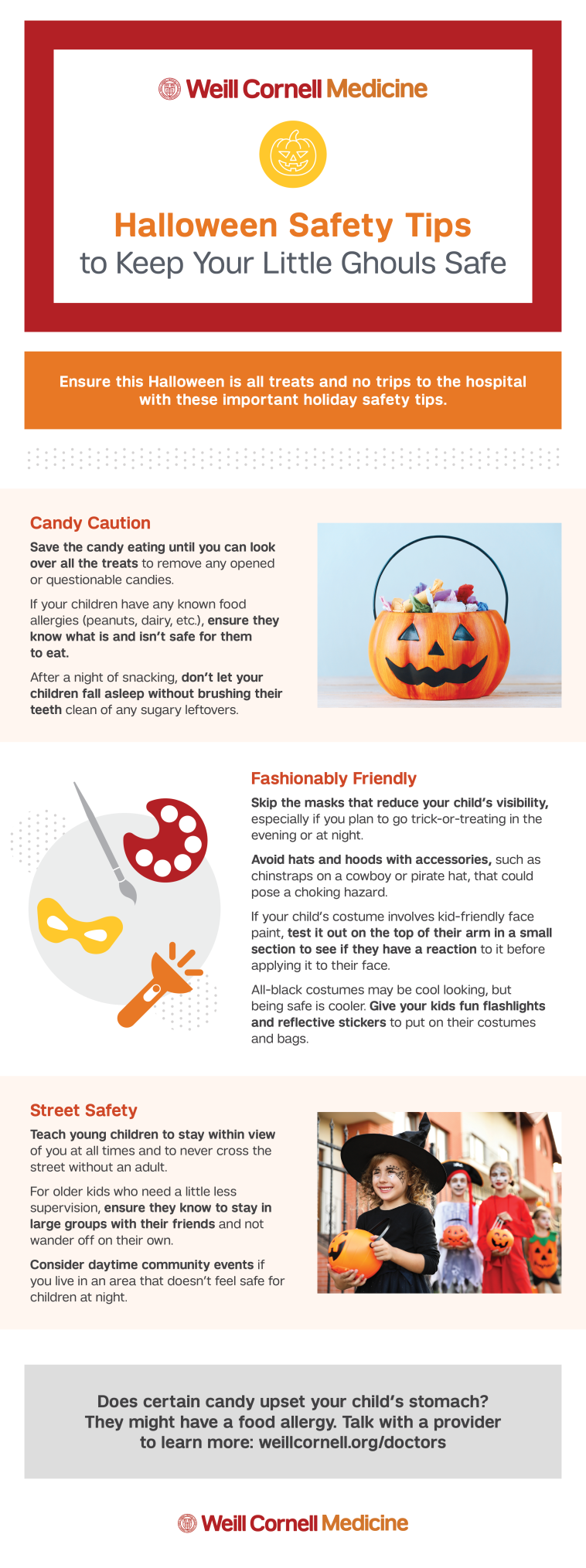
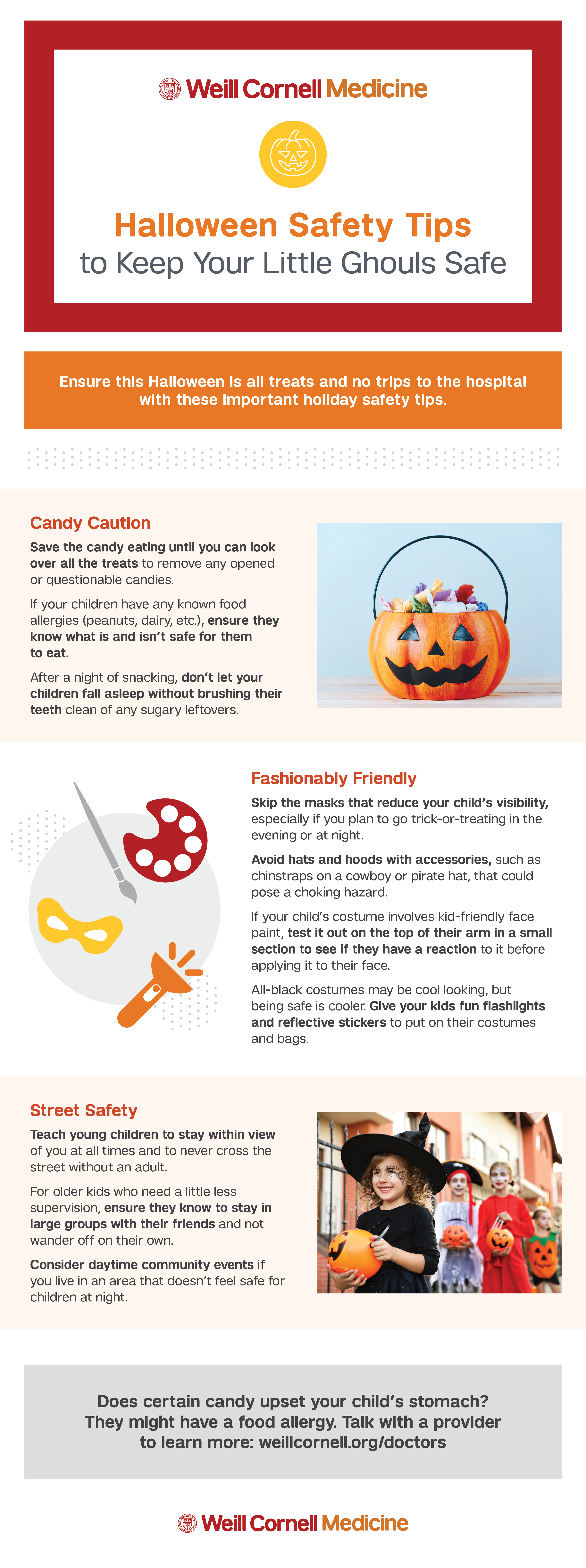
Trick-or-treating is one of the most cherished traditions of Halloween, but it is also fraught with potential food safety hazards. When children collect treats from various sources, the risk of encountering tampered or contaminated candy becomes a real concern. Parents can avoid many tricky parts by taking a few simple precautions.
The Importance of Checking Candy
It is essential that parents inspect the candy their children bring home, as damaged or open wrappers can be a sign of tampering or contamination. Taking the time to check each treat may seem off-putting, but it’s a critical step in ensuring that your child’s Halloween remains safe and joyful.
- Examine wrappers carefully: Look for tears, dents, or signs that the packaging has been previously opened.
- Discard suspicious treats: If any candy or treat seems questionable, it’s best to err on the side of caution and throw it away.
- Offer non-food alternatives: Especially for children with allergies, having small toys or other non-edible items can be a thoughtful substitute.
When it comes to candy safety, parents should remain vigilant. It might be a good idea to have a designated area at home where treats can be sorted and inspected before being distributed among children.
Creating a Safe Environment for Every Child
In addition to inspecting candy, there are other super important preventive measures parents can take to ensure trick-or-treating is both fun and safe:
- Accompany young children: Ensure children are supervised during trick-or-treating so that any issues can be addressed immediately.
- Educate about stranger safety: Remind children never to accept treats from strangers without prior permission or checking by an adult.
- Have a snack beforehand: Encourage a small meal or snack before starting trick-or-treating. This not only curtails overeating candy but also stabilizes blood sugar levels during the night’s festivities.
Such measures help parents manage their way through Halloween in a calm and collected manner while keeping the children’s best interests in mind. Every step taken in ensuring safety adds a layer of protection around the joyous chaos of Halloween night.
Unpasteurized Juices and Other Hidden Risks
While the focus is often on solid foods and candies, another area that can be full of problems is the consumption of unpasteurized juices or ciders. These beverages, often served at fall gatherings, can harbor harmful bacteria due to the absence of the pasteurization process. It’s important to be aware of these risks, as they represent a neglected source of foodborne illness.
The Risks Associated with Unpasteurized Beverages
Unpasteurized juice or cider may contain bacteria such as E. coli O157:H7 or Salmonella, which can lead to severe food poisoning. This is particularly concerning during festive events when multiple guests may be served from the same source. The confusing bits in ensuring beverage safety include knowing whether a product has been pasteurized and understanding the storage requirements for perishable drinks.
- Check product labels: Always read the labels or ask the provider to ensure that the beverage has been properly pasteurized.
- Store beverages appropriately: Just like other perishable items, these drinks need to be kept cool until consumption.
- Educate your guests: If serving homemade or unpasteurized drinks, make sure your guests are aware of the potential risks and the need for cautious consumption.
By addressing these hidden risks head-on, you can avoid the overwhelming scenarios that arise when a single lapse leads to widespread foodborne illness among your guests. This proactive approach can help steer through potential crises before they escalate.
Expert Advice: Finding Your Way Through Halloween Culinary Challenges
Renowned food scientists and safety experts have long stressed the importance of meticulous food handling, especially during busy events like Halloween. Karen Blakeslee, a food scientist at Kansas State University, stresses that even though Halloween might not at first seem a period of high risk when it comes to food safety, the devil is in the details. Small distinctions – such as how quickly perishable dishes are cooled or the proper manner to separate raw meats from ready-to-eat treats – can make all the difference in preventing foodborne illnesses.
Key Recommendations from Food Safety Experts
Experts recommend a series of straightforward yet super important actions that every host should consider:
- Keep perishable treats chilled: Always return food to the refrigerator if it’s been sitting out for more than two hours.
- Enforce hand hygiene: Encourage frequent hand washing during food preparation and serving to deter bacterial spread.
- Avoid recipe shortcuts: Ensure that any dough or batter is fully cooked before taste testing. Waiting for proper preparation can help mitigate risks associated with undercooked food.
- Inspect candy early on: This step is critical in ensuring that any potentially harmful treats are removed before they cause trouble.
Merging these expert recommendations with practical strategies can help you figure a path through the tangled issues of food safety during Halloween. By aligning your party-planning with these super important steps, you’re combining the best of modern food science with pragmatic hosting strategies.
Planning Ahead to Avoid Last-Minute Scrambles
A well-organized host is one who plans ahead. By mapping out your party timeline, creating designated food stations, and preparing a checklist of essential food safety measures, you can transform a nerve-racking event into a smooth, well-coordinated affair. Consider these additional tips for streamlining your Halloween culinary preparations:
- Create a checklist: List all items that need to be refrigerated or kept on ice, and check off each item as it’s set up.
- Delegate responsibilities: If you’re hosting a large gathering, assign trusted friends or family members to oversee specific areas such as drink stations or dessert tables.
- Monitor room temperatures: Use a thermometer to keep track of ambient temperatures, ensuring that no part of your hosting area reaches a level where food spoilage is more likely.
With these measures in place, you will be well equipped to handle the overwhelming rush of a Halloween celebration—ensuring that every guest leaves both satisfied and safe.
Holiday Health and Nutrition: Balancing Fun and Food Safety
While Halloween is a time for spooky thrills and festive feasting, it’s also an opportunity to highlight the importance of balanced nutrition and mindful indulgence. Preparing and serving foods safely is only one part of the equation; equally crucial is ensuring that the treats offered contribute, where possible, to the overall well-being of your guests.
Mindful Meal Planning for a Festive Feast
Halloween food safety doesn’t exist in isolation from nutrition. Hosts should also consider offering a mix of sweet treats along with healthier options to provide a balanced spread. Here are some ideas for creating a menu that combines fun and nutritious elements:
- Vegetable platters with creative dips: A colorful array of carrots, celery, and bell peppers can be arranged in eerie patterns with themed dips.
- Fruit skewers: Turn a simple plate of fruits into a work of art by threading them onto skewers and decorating them with Halloween motifs.
- Whole grain options: Incorporate whole grain crackers or breads as a side that complements the other dishes, ensuring a healthier approach to indulgence.
These ideas not only provide a balanced dietary option but also help to steer through any confusing bits when deciding between a purely indulgent spread and a nutritious one. After all, maintaining a balance is crucial, particularly in a setting where excesses can quickly lead to regretful consequences the following day.
Tips for Sustaining Energy on Halloween Night
Halloween night can be long and filled with excitement, so maintaining energy levels is super important—especially for children and the elderly. Here are a few tips to ensure everyone remains energized and avoids the pitfalls of fluctuating blood sugar levels associated with excessive sugary treats:
- Pre-trick-or-treat snack: Offering a wholesome snack before heading out can reduce the likelihood of overindulgence when treats start to roll in.
- Hydration matters: Encourage water consumption throughout the night to balance out any sugary drinks or treats that might otherwise cause a sudden spike in energy followed by an overwhelming crash.
- Portion control: Consider serving treats in smaller portions or having designated snack times to ensure that everyone enjoys their food in moderation.
By integrating these practices into your Halloween planning, you not only manage food safety but also nurture overall health, ensuring that the night is as energizing as it is enjoyable.
Conclusion: A Call for Vigilance and Preparedness This Halloween
Ultimately, ensuring food safety during Halloween is a multifaceted endeavor that touches on everything from proper refrigeration and cross-contamination prevention to allergy considerations and nutritional balance. It’s a subject brimming with tricky parts—from handling perishable foods at the right temperature to managing the fine points of candy inspection for our youngest trick-or-treaters.
As hosts and parents, it becomes super important to blend expert advice with proactive measures. By creating structured timelines, segregating food types to avoid cross contamination, labeling allergens accurately, and even offering non-food alternatives, you can significantly reduce the invisible risks lurking in an otherwise festive environment.
This Halloween, let us all commit to a celebration that meshes fun with conscientious food safety practices. Approaching the holiday with careful planning and immediate action on food safety concerns ensures that the joyous spirit of the season is preserved without compromising well-being. Whether you’re preparing elaborate dishes for a party or reviewing the candy-filled loot after a night of trick-or-treating, keeping these guidelines in mind will allow you to make informed decisions and steer through potential setbacks with confidence.
Remember, the small distinctions—like rotating foods on small platters or thoroughly washing your hands before handling desserts—can prevent a cascade of unfortunate events. By staying alert and prepared, making your way through the ever-changing challenges of a Halloween celebration becomes not only manageable but also a rewarding testament to your commitment to safety and health.
May your Halloween be marked by spooky fun, delicious food, and above all, a safe environment that lets everyone indulge responsibly. Let us embrace the twists and turns of the season with a balanced approach—one that values both the treats and the health of all who join in the celebration.
Originally Post From https://www.newspressnow.com/corner-post/2025/10/19/k-state-expert-shares-tips-for-halloween-food-safety/
Read more about this topic at
Halloween Food Safety Tips for Parents
Halloween Food Safety