Food Safety and Labeling: A Critical Look at Misbranding Risks
The recent recall of frozen tamales by La Guadalupana Foods LLC has raised serious concerns over food misbranding and the hidden risks posed by undeclared allergens. In an age when consumers demand clarity and transparency, any mix-up in ingredient disclosure can have nerve-racking consequences. The recall involved 2,669 pounds of tamales that were misrepresented as mild pork tamales but instead contained cheese—a known allergen—which could trigger severe and even life-threatening reactions in sensitive individuals.
As debates continue on how to effectively manage food safety, it is essential to get into the details of food labeling practices. This article will explore the tangled issues that come with food misbranding, how regulatory agencies are managing these tricky parts, and what this means for consumer trust and wellbeing.
Digging into the Wake-Up Call: The Tamales Recall Incident
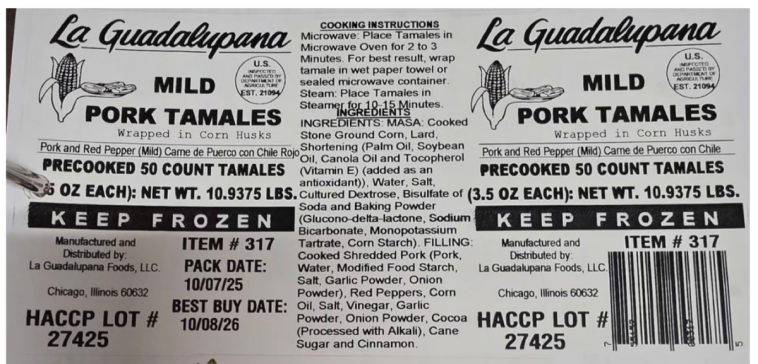
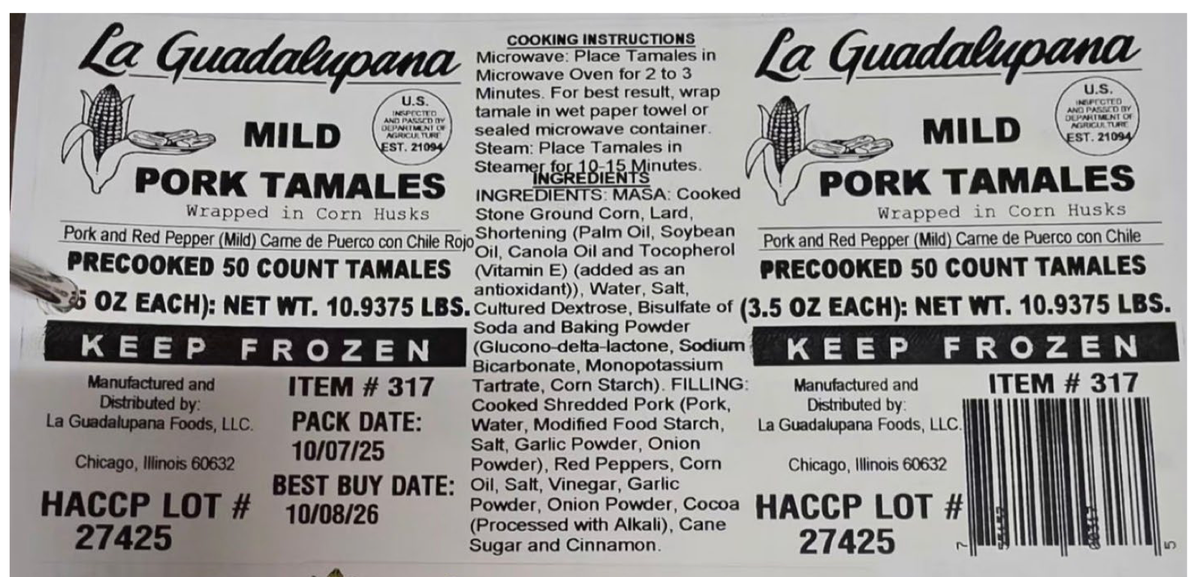
The tamales recall is a stark reminder of the twists and turns that can occur in food production and packaging. On December 14, 2025, the U.S. Department of Agriculture’s Food Safety and Inspection Service (FSIS) uncovered an alarming situation. The product in question—10.9-pound plastic-lined boxes of frozen tamales—displayed false labeling. Instead of reflecting the actual content of bean, cheese, and jalapeño tamales, the product was marked as “La Guadalupana MILD PORK TAMALES Wrapped in Corn Husks.”
This misbranding has several implications. Beyond being a simple mix-up, such errors can put lives at risk, undermine trust in food producers, and create a domino effect of regulatory and legal challenges.
Unpacking the Mislabeled Product: What Went Wrong?
The misbranding error was not a trivial mistake. It involved a serious misrepresentation of ingredients, particularly concerning the undeclared presence of cheese (milk), which is a known allergen. For those with milk allergies or intolerances, any exposure to dairy proteins—even in minute quantities—can set off intense and potentially dangerous reactions.
It’s important to note that even one small oversight in the ingredient list can have far-reaching implications. In this case, the product’s long shelf life until October 8, 2026, means that these tamales could remain accessible in consumer and restaurant freezers for quite some time, prolonging the risk period.
Consumer Health at Stake: A Closer Look at Allergen Risks
The untold story behind this error is the risk to individuals with allergies or food sensitivities. When a food product is mislabeled, consumers are unable to steer through the tricky parts of making safe choices in the market. The following bullet list outlines key risks:
- Unexpected Exposure: Consumers with dairy allergies might unknowingly consume milk proteins.
- Severe Health Reactions: Allergic reactions can lead to anaphylaxis, which is potentially life-threatening.
- Loss of Trust: Recalls can diminish consumer confidence in not only the product but in the entire food safety system.
- Economic Impact: Producers and retailers face significant economic setbacks due to recalls and lost consumer trust.
Given these consequences, the recall highlights how the smallest errors in ingredient lists can spiral into full-blown public health scares, creating tangled issues that are difficult to resolve.
Regulatory Oversight and the Role of Food Safety Agencies
Food safety oversight is a complex area, full of tricky parts and hidden details. Agencies like the FSIS play a super important role by ensuring that food manufacturers stick to established guidelines and by identifying when a product poses a risk. The tamales recall demonstrates the need for vigilant monitoring and stricter quality control protocols.
Essential Checks That Prevent Mislabeled Food Products
Regulating agencies use a number of measures to verify labeling compliance. While the FSIS has a variety of tools at its disposal, some of the most effective include:
- Regular Inspections: Frequent checks help catch misbranding errors before products reach consumers.
- Random Sampling: Testing random product batches ensures that ingredient accuracy is maintained.
- Enhanced Traceability: Robust documentation systems enable authorities to quickly identify and recall problematic products.
- Clear Guidelines: Up-to-date regulations provide producers with a clear framework for labeling, reducing the chances of mistakes.
Despite these methods, the recent recall has highlighted that even with stringent measures in place, lapses can occur. Such incidents prompt us to wonder – what can be done to further secure the food supply chain and protect consumer health?
Lessons for Industry Players: Bridging the Gap in Quality Control
Food producers have a critical role to play in preventing misbranding issues. The tamales incident is a reminder that manufacturers must not only adhere to established guidelines but also cultivate a safety-first mindset throughout the production process. Key lessons include:
- Thorough Training: Employees should be well-versed in identifying and reporting discrepancies in product composition.
- Upgraded Technology: Implementing digital tracking and automated quality checks can minimize human error.
- Cross-Departmental Communication: Enhancing collaboration between production, packaging, and quality assurance teams can help catch errors at various stages.
- Transparent Labeling Practices: Proactively disclosing all ingredients, even those below regulatory thresholds, can enhance consumer trust.
By learning from such missteps, the food industry can reduce the frequency of similar occurrences and better protect vulnerable populations from unintended exposure to allergens.
Consumer Trust and the Impact of Mislabeled Foods
The realm of food safety is on edge when mislabeling incidents occur. Consumers increasingly rely on accurate product information to make informed decisions about their food intake. A recall not only disrupts consumer habits but also instills an overwhelming sense of uncertainty about the safety of everyday products.
Understanding the Broader Consequences of Misbranding
Mislabeled products have long-lasting consequences that go beyond immediate health risks. They can erode public confidence in food brands, trigger widespread media coverage, and even influence legislative reforms. Consider some of these ripple effects:
- Declining Brand Reputation: When a product is recalled, the public often questions the credibility of the company involved, which may lead to long-term reputational damage.
- Financial Losses: Recalls are financially draining, not only for the manufacturer but also for distribution channels and retailers who must manage inventory and customer complaints.
- Regulatory Changes: Widespread incidents can prompt lawmakers to tighten food labeling laws, changing the way the entire industry operates.
- Consumer Behavior Shifts: Once trust is broken, consumers might shift away from well-recognized brands, opting for alternatives that seem safer or more reliable.
This recall has made clear that even the smallest misstep in food labeling can have large-scale consequences, both for public health and for the economy. Each mistake creates a chain reaction that underscores the need for a secure and transparent food supply chain.
Improving Food Labeling Systems: Confronting Complicated Pieces in Regulation
The tamales incident underscores the necessity for modern food labeling systems to keep pace with rapidly evolving consumer needs and industry practices. With the advent of digital technologies, there is immense potential to streamline these quality-control measures and expose – in a transparent manner – any mistakes before products reach the market.
Modern Solutions to Avoid Hidden Allergen Dangers
One of the key approaches involves utilizing advanced tracking systems that can automate the checking process. Here are some modern solutions that can help address these tangled issues:
- Blockchain for Traceability: By recording each step of the production process on a tamper-proof ledger, companies can ensure that every ingredient is accounted for accurately.
- Automated Label Verification: Technologies like machine vision can compare product ingredients with printed labels, flagging discrepancies immediately.
- Real-Time Data Monitoring: IoT devices installed in production lines could provide continuous monitoring of ingredient batches, helping to get into the nitty-gritty before any misbranding occurs.
- Consumer Feedback Loops: Digital platforms where consumers can quickly report any suspected labeling errors can significantly enhance the corrective response time.
Implementing these technologies not only helps in producing more secure food labels but also reassures consumers that the industry is continually taking proactive measures to manage and resolve the hidden complexities of food production.
Striking a Balance: The Role of Digital Tools in Food Safety Oversight
As food producers adopt these digital tools, it becomes crucial for regulators to update their own systems to keep pace with technological advancements. Balancing the benefits of digital systems with the need for robust human oversight is key to addressing the obscure bits of misbranding and ensuring consumer protection.
A combination of digital and human elements can work in tandem to find a path toward a food safety network that is both efficient and responsive to change. For instance, while automated systems can handle standard verification tasks, human inspectors are essential when it comes to assessing the subtle details that technology might miss.
Key Takeaways: Making Your Way Through Food Safety Today
The recall of tamales misbranded with a critical allergen clearly illustrates the importance of exact and thorough food labeling practices. As we take a closer look at this incident, several key takeaways emerge for consumers, regulators, and food manufacturers alike:
- Consumer Vigilance: Always check product labels carefully and be aware of any changes, especially if you have known allergies.
- Regulatory Diligence: Agencies like the FSIS must continue to evolve their oversight strategies, ensuring that even the smallest slip-ups are caught before products hit the shelf.
- Industry Accountability: Food manufacturers should invest in advanced monitoring technologies and emphasize staff training to catch errors early and prevent potential health hazards.
- Technological Integration: Incorporating digital solutions—such as automated systems and blockchain—into the production and quality control processes can help manage the confusing bits inherent in today’s food supply chain.
By staying informed and proactive, everyone involved in the food chain can help reduce the dangerous consequences of misbranding and protect consumer health in a highly competitive marketplace.
Reflections on the Future of Food Labeling and Safety
Looking ahead, it is clear that the future of food safety will rely on a collaborative approach. Industry experts, government regulators, and technology innovators must find a way to work together to steer through the daunting challenges that food misbranding presents. The tamales recall, while unfortunate, offers a real-world example of what can go wrong when even one ingredient is misrepresented.
As we try to figure a path through the increasing complexity of today’s food industry, several reflective questions need to be asked:
- How can technology further aid in reducing human error during production?
- What steps should regulatory bodies take to stay on top of evolving food safety challenges?
- In what ways can increased transparency bolster consumer trust and safety?
- How can international standards be harmonized to ensure that products crossing borders meet consistent safety benchmarks?
These questions are not meant to create additional tension; rather, they invite us to take a closer look at how the entire system can be improved for the benefit of everyone involved. The ultimate aim is to make the entire process as clear and safe as possible, ensuring that consumers never have to worry about hidden allergens or misrepresented ingredients again.
Building Consumer Confidence Through Transparency and Accountability
The voice of the consumer is as important as that of the producer or regulator in any conversation about food safety. In today’s digital age, consumers are not only receiving information through traditional media but also through various online channels. Social media platforms, blogs, and news websites serve as real-time conduits for sharing experiences and opinions on critical food safety issues.
This active public discourse has a dual effect. On one side, it pressures companies to maintain high-quality standards and adhere strictly to safety guidelines. On the other, it encourages regulatory bodies to be more proactive and transparent in their oversight efforts. The tamales recall is a prime example: its detailed coverage and public discussion have provided an opportunity for the entire industry to take a step back and reassess its procedures.
The Importance of Educational Outreach in Promoting Food Safety
Another essential factor in tackling the confusing bits of food misbranding is education. Consumers, food industry workers, and regulatory officials alike need ongoing training to recognize and mitigate the risks associated with mislabeled products. Educational outreach can take many forms:
- Public Seminars: Local health departments and food safety organizations can host seminars to discuss best practices and recent trends in food labeling.
- Online Tutorials and Webinars: Digital platforms offer an accessible way to update industry professionals about the changes in food regulation guidelines.
- Community Engagement: Grassroots initiatives can help spread awareness, particularly among vulnerable populations who may be disproportionately affected by allergen mislabeling.
- Collaborative Partnerships: Food producers, academic institutions, and government agencies working together can create comprehensive training modules that benefit everyone in the food supply chain.
Through such efforts, the collective knowledge of how to manage and overcome these mixed-up issues can be enhanced. As consumers become more educated about food labels and the potential red flags to look for, they will be better equipped to make safe, informed choices.
Strengthening the Regulatory Framework: Working Through Challenging Times
Addressing these problematic areas requires regulatory frameworks that are both modern and flexible. In the wake of the recall, experts are calling for revisions to current guidelines. The goal is to create a system that not only anticipates potential mistakes but also offers a rapid corrective response.
Innovative Approaches to Monitoring and Enforcement
Innovation in monitoring is not just about adopting new technology—it’s about rethinking the way regulatory oversight is structured. Several strategies have been proposed to improve the current system, including:
| Strategy | Benefit | Potential Challenge |
|---|---|---|
| Digital Audit Trails | Ensures that every step in production is logged, providing full transparency. | Requires significant investment in new technology. |
| Enhanced Real-Time Tracking | Helps detect misbranding issues as they occur, reducing the recall window. | May involve privacy considerations and technological learning curves. |
| Stricter Third-Party Inspections | Adds an additional layer of accountability beyond internal quality control. | Coordination challenges and increased operational costs. |
| Consumer Reporting Portals | Allows for immediate reporting of suspect labeling, accelerating response times. | Risk of false reports and the need for efficient verification mechanisms. |
These innovative avenues show promise in addressing the delicate issues tied to food safety. However, implementing them will require cooperation between industry experts, technology providers, and government bodies. The effort to get into the fine points of creating a robust system will undoubtedly be nerve-racking, but the potential benefits—safer food and greater consumer trust—are too significant to ignore.
Cooperative Models for a Safer Food Future
One promising approach is the development of cooperative models that bring regulators, manufacturers, and consumer groups together. By working through the challenging pieces collectively, these partnerships can develop standards that are both realistic and forward-thinking. Some potential features of an effective cooperative model include:
- Joint Training Programs: Regularly scheduled sessions can help ensure that all stakeholders are updated on the latest food safety protocols.
- Shared Best Practices: Creating a repository of proven strategies and case studies from previous incidents can serve as a guide for future prevention efforts.
- Cross-Sector Transparency: Open lines of communication between all parties involved lead to quicker identification and resolution of issues.
- Feedback Mechanisms: Structured systems for consumer and industry feedback can highlight unforeseen issues before they escalate.
By adopting such cooperative models, the entire food supply chain can work together to reduce the risk of misbranding and other related safety concerns. This integrated approach will ensure that everyone, from the production line to the consumer’s plate, benefits from a more accountable and transparent system.
Consumer Empowerment and Making Informed Choices
At the center of the food safety conversation is the everyday consumer. In the wake of incidents like the tamales recall, it is crucial that consumers are empowered with the knowledge needed to make informed decisions. The burden of navigating confusing food labels should not rest solely on regulatory bodies or producers—even as they work to fix these issues, consumers must stay alert.
How to Figure a Path Towards Safer Consumption
There are several practical steps consumers can take to protect themselves from misbranded food products and hidden allergens:
- Read Labels Carefully: Make it a habit to check ingredient lists thoroughly, especially if you have known allergies.
- Stay Updated on Recalls: Follow reliable news sources and subscribe to recall alerts from food safety organizations.
- Ask Questions at Purchase: If you are unsure about a product’s labeling, do not hesitate to ask the retailer for more detailed information.
- Keep a Personal Food Diary: For those with severe allergies, noting any adverse reactions can help mitigate future risks and provide critical information during recalls.
These steps, though simple, can make a significant difference in ensuring that you are not caught off guard by a misbranded product. Empowerment through education is key, and in today’s digital landscape, consumers have more resources at their disposal than ever before.
The Role of Social Media and Online Communities
Social media plays a super important role in raising awareness about food recalls and other safety concerns. Online communities can quickly turn a local issue into a national conversation, pressuring manufacturers to adopt better practices. Some ways in which these platforms contribute include:
- Rapid Dissemination of Information: News about recalls can spread quickly, alerting consumers in real time.
- Peer-to-Peer Support: Individuals facing food allergy challenges can share tips and advice, creating a support network.
- Lobbying for Change: Public sentiment expressed through social media can lead to more stringent safety regulations and clearer labeling standards.
By engaging in these communities, consumers not only protect themselves but also contribute to a broader movement for safer food products. This collective vigilance is a critical component of making positive changes in the industry.
Bridging Traditional Practices and Modern Innovations in Food Safety
The tamales recall reminds us that while traditional practices in food production have served us for decades, the increasing complexity of supply chains calls for modern solutions. Traditional methods of inspecting and verifying product ingredients are being challenged by the scale and speed of today’s food production. As the food industry evolves, blending conventional methods with innovative technologies is key to resolving those hidden complexities.
Integrating Time-Tested Methods with New Technologies
Traditional food safety methods typically rely on manual inspections, standardized checklists, and routine audits. While these practices are critical, they can be complemented by new technological advances that help catch mistakes before they become dangerous issues. A hybrid approach could consist of:
- Digital Label Scanning: Utilizing mobile apps to scan product barcodes and cross-check ingredient lists with centralized databases.
- Automated Quality Control: Integrating sensors and cameras on production lines to continually monitor product attributes and packaging details.
- Data Analytics: Leveraging big data to identify patterns and predict potential misbranding events before they escalate into full-scale recalls.
- Cloud-Based Collaboration: Allowing different stakeholders—from farmers to retailers—to share real-time data for improved transparency.
This blended approach not only helps to get into the fine points of food production quality control but also builds a more resilient system capable of handling the slight differences that can determine the safety of a product.
The Promise of a Safer, Smarter Future
Looking forward, the lessons learned from the recall of misbranded tamales can serve as a roadmap for a smarter, safer food industry. Continuous improvement in technology, combined with a commitment to transparency and rigorous quality control, can mitigate the risks that have long undermined consumer trust. As challenges continue to arise in this ever-evolving field, the collaboration between traditional practices and modern innovations will be key to overcoming the intimidating hurdles that lie ahead.
Conclusion: Embracing Accountability for a Healthier Tomorrow
In reflecting on the tamales recall, it becomes clear that accountability throughout the food production chain is not just desirable—it is absolutely essential. Every step, from the sourcing of ingredients to the final labeling, must be managed with an acute awareness of the potential risks, no matter how small they may seem. The consequences of even a single misstep can lead to outcomes that are loaded with problems for consumers, manufacturers, and regulators alike.
Consumers, regulators, and food producers must all work together to get around the problematic twists and turns that currently complicate the landscape of food safety. By investing in updated technologies, adopting transparent practices, and sharing responsibility for the collective wellbeing, the food industry can create an environment where safety and trust are mutually reinforcing ideals.
This incident should serve as a wake-up call—a reminder that even in an age of advanced technology and robust oversight, human error still poses a significant risk when it comes to food labeling. It is our shared responsibility to make your way through these confusing bits and safeguard public health by ensuring that every food product on our shelves meets the highest standards of accuracy and safety.
In these trying times, where every detail matters, ensuring clear and honest communication about food contents is not just a regulatory requirement but a moral imperative. As we move forward, let us commit to a future where accountability is the norm, technology and tradition work hand in hand, and every consumer can trust that what they’re eating is safe, transparent, and well-regulated.
Ultimately, while the misbranding of tamales may seem like a niche issue, it is emblematic of larger, pervasive challenges in the food industry today. It is our hope that such incidents will be the catalyst for broader, systemic change—one that embraces both the time-honored practices of quality control and the exciting potential of modern technology. Through ongoing collaboration, education, and transparency, we can build a food system that not only meets the critical needs of the present but also lays the groundwork for a safer, healthier future for all.
Originally Post From https://www.foodsafetynews.com/2025/12/tamales-recalled-because-of-undeclared-allergen/
Read more about this topic at
La Guadalupana Foods LLC Recalls Ready-To-Eat Frozen …
Tamales recalled; Ohio 1 of 4 states where product was …