Food Allergies, Treatments, and Possible Prevention: An Evolving Landscape
The rise of food allergies, especially among children, has become a topic that many parents and healthcare professionals are talking about with a mix of concern and cautious optimism. Over the past few decades, we have witnessed a significant increase in the number of children facing adverse reactions from everyday foods. In this opinion editorial, we take a closer look at the current state of food allergies, examine the available treatment options, and explore possible preventive measures. We will also share insights from leading experts, discuss the delicate balance between traditional and alternative medical approaches, and provide practical tips for families dealing with these challenges.
Food allergies present many tangled issues and twists and turns that affect both lifestyle and health. The matter goes beyond just the immediate reaction—it affects personal choices, school policies, and even social gatherings. With emerging research and innovative treatment options such as oral immunotherapy, many feel hopeful about finding ways to reduce the incidence and severity of these allergic responses.
Understanding the Spike in Pediatric Food Allergies
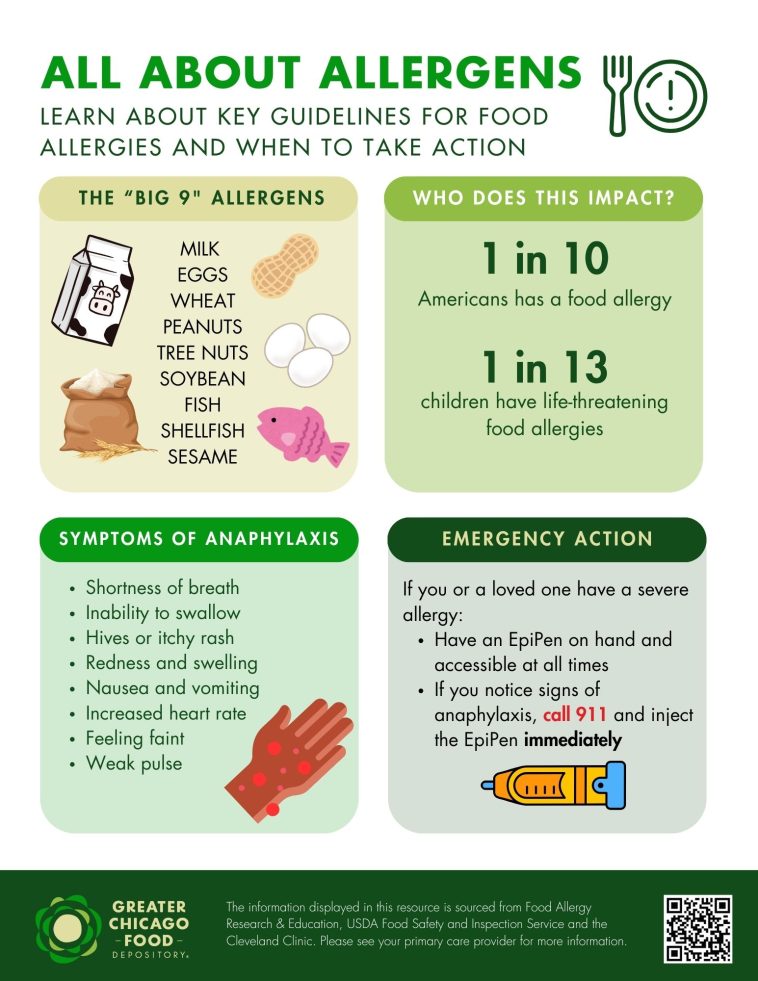
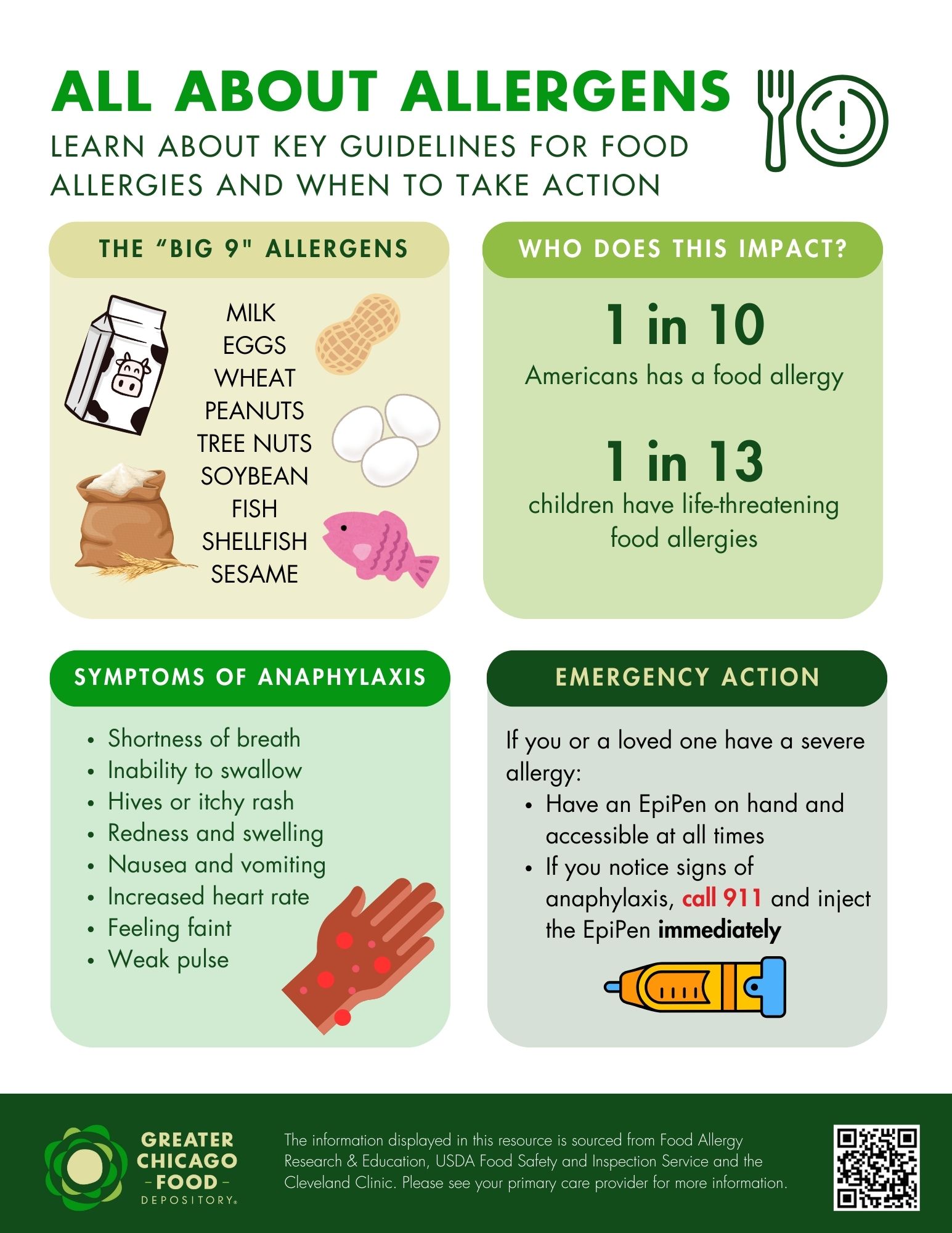
Recent statistics indicate that approximately one in 13 children suffer from food allergies, with nearly 40% of these young patients having experienced emergency room visits due to severe reactions. This trend highlights a worrying increase within a single generation, raising urgent questions about what has changed over the years. Were these allergies always present but undetected, or are new environmental or dietary factors contributing to their surge?
Experts believe that the change did not occur overnight. While many adults recall childhoods filled with peanut butter and jelly sandwiches without incident, today’s parents face a landscape loaded with tension when introducing common foods to their infants. Several theories have been proposed, including changes in diet, environmental exposures, and even the way our immune systems are developing in a modern world.
This matter is full of problems and confusing bits—the evidence increasingly suggests that our environment plays a significant role. Digging into available research, scientists like Dr. Ruchi Gupta, director of the Center for Food Allergy and Asthma Research, point out that we are now encountering cases that were rare in previous generations. While more investigation is needed to pin down the exact causes, these findings have already prompted both cautious reassurance and a call for further studies.
Exploring the Hidden Complexity of Food Allergies
The experience of a food allergy is not just a single incident—it is a series of complicated pieces that can alter the course of someone’s daily life. The immediate signs, such as hives, swelling, and even life-threatening reactions like anaphylaxis, are only part of the story. The long-term effects, including the psychological and emotional toll on both children and their families, also need careful thought.
For parents coping with these conditions, the challenges go beyond the physical symptoms. They face a continuous effort to steer through the labyrinth of reading food labels, managing school protocols, and staying prepared with emergency medication at all times. Some of the key factors that complicate the situation include:
- Vague guidance on introducing allergenic foods
- Inconsistent practices and recommendations among healthcare providers
- Reliable but sometimes overwhelming information on safe dietary management
- The tension involved in balancing caution with ensuring proper nutrition
These tricky parts require not only medical insight but also an understanding of day-to-day reality—a dual challenge for both professionals and families alike.
Treatment Options: Oral Immunotherapy and Beyond
A promising area of treatment that has captured the attention of both doctors and families is oral immunotherapy. This approach involves carefully introducing small, controlled amounts of a known allergen, such as peanuts, to gradually build tolerance over time. The idea may sound counterintuitive at first, but studies have shown that, under strict medical supervision, this technique can help reduce the severity of allergic reactions.
Dr. Gupta and her colleagues have been at the forefront of such groundbreaking work, providing hope for families by working through treatment modalities that may eventually lessen the dependency on emergency medications like epinephrine auto-injectors. However, safety remains a critical aspect, and this treatment is typically recommended only for those under close supervision in a controlled environment.
While oral immunotherapy is effective for many, it is not a one-size-fits-all solution. Other treatment strategies include:
- Strict avoidance of known allergens
- Emergency preparedness, including the use of EpiPen devices
- Regular consultations with knowledgeable allergists
- Exploration of alternative therapies that emphasize overall immune health
Each treatment option comes with its own set of advantages and potential setbacks. Families must be aware of the fine points and subtle parts involved in each to make informed decisions that best suit their unique needs.
The Impact on Daily Life: Parents’ Perspectives
For many parents, dealing with food allergies in their children is a nerve-racking, all-encompassing challenge. One parent, Natalie Hnatiuk, recounts the confusing bits of her journey when introducing peanuts to her six-month-old. The initial attempts went smoothly, but after a significant gap before the next exposure, her child experienced a sudden allergic reaction that left her shocked. This scenario, unfortunately, is not uncommon, and it underscores the need for clear, consistent guidance from healthcare professionals.
Daily challenges include:
- Planning meals and social events with a heightened focus on safety
- Reading food labels, which can be intimidating when ingredients and manufacturing practices are not standardized
- Managing anxiety over possible accidental exposures in school or public spaces
- Balancing nutritious diets while eliminating common allergenic foods
These everyday situations present many twists and turns that can be overwhelming. Yet, families continue to exhibit resilience by deeply engaging with both medical advice and their own experiences, often creating support networks that reinforce hope and understanding.
Early Introduction of Foods: A Preventive Approach?
One of the most exciting developments in the field of allergy prevention is the emerging evidence supporting early exposure to allergenic foods. Research has challenged long-held assumptions that delaying the introduction of foods like peanuts might help prevent allergies. Instead, data now suggest that introducing these foods early—under proper guidance—can help the immune system develop tolerance, thereby reducing the risk of a severe allergy later on.
This paradigm shift has influenced dietary guidelines and parental practices. Rather than adopting a cautious approach of avoidance, the focus now increasingly leans toward supervised exposure early in life. However, it is critical to note that this strategy must be managed with care. The timing, quantity, and frequency of introduction are all delicate details that need expert advice to ensure that the process is both safe and effective.
Key aspects of early exposure include:
- Structured protocols designed by professional allergists
- Monitoring for any signs of adverse reactions, even during the initial phase
- Maintenance of a balanced and nutritious diet while ensuring minimal allergenic risk
- Ongoing studies that aim to determine the optimal window for introducing specific foods
While early introduction is showing promise, it remains a subject of ongoing research. The aim is to piece together the subtle parts of food allergy development while also balancing practical lifestyle adjustments for millions of families.
Alternative and Complementary Approaches to Allergy Management
In addition to mainstream medical treatments, many people are increasingly exploring alternative and complementary avenues to manage food allergies. These include nutritional adjustments, dietary supplements, and even holistic therapies that focus on overall well-being. While these methods do not replace conventional treatments, they can serve as supportive measures to enhance immune function and overall health.
Some popular alternative strategies include:
- Nutritional Therapy: Emphasizes whole foods, balanced diets, and anti-inflammatory ingredients that can support immune health.
- Herbal Supplements: Certain herbs have been traditionally used to support respiratory and digestive health, although they should always be used with caution and professional consultation.
- Mind-Body Practices: Techniques such as yoga, meditation, and controlled breathing exercises can help reduce stress, which may, in turn, positively affect immune responses.
- Probiotics: There is growing interest in the relationship between gut health and immune function, with some studies suggesting that a healthy microbiome may play a role in moderating allergic reactions.
These approaches add another layer to the conversation about food allergies, offering a more integrated way of looking at health. However, it is super important to consult healthcare professionals before integrating these alternatives with conventional allergy treatments, ensuring a well-rounded approach that minimizes risks.
Managing Your Way Through the Overwhelming World of Food Allergies
For those living with food allergies, part of the daily struggle involves finding a manageable pathway through numerous complications. The challenge is as much about practical adjustments as it is about adapting oneself mentally and emotionally to a world where every meal and social event requires extra vigilance.
To help sort out these challenges, consider these helpful strategies:
- Education: Stay informed about the latest research and treatment options by reading reputable sources and consulting with specialists.
- Planning: Create detailed meal plans and carry allergy alert cards that list specific allergies and emergency contacts.
- Support Systems: Engage with local or online groups where experiences are shared, offering both practical tips and emotional comfort.
- Routine Check-ups: Regular visits to an allergist can help in identifying any changes in the severity or nature of the allergy.
- Emergency Preparedness: Always have an up-to-date emergency kit, including an EpiPen, and ensure that caregivers and teachers are trained to respond in case of an allergic reaction.
Working through these strategies requires commitment and collaboration among all parties involved—parents, caregivers, healthcare professionals, and even food industry stakeholders. It is this joint effort that builds a supportive network, offering reassurance amid the challenge of managing food allergies.
A Closer Look at Groundbreaking Medical Research
The promise of modern medicine in the realm of food allergies is best illustrated by ongoing research efforts aimed at understanding the fine points of allergy development and treatment. Researchers like Dr. Gupta are at the cutting edge, dedicating countless hours to dig into the hidden complexities of why food allergies are rising and what can potentially be done to prevent them.
Some of the important focus areas in current research include:
| Research Focus | Description |
|---|---|
| Immune System Modulation | Studying how the immune system can be influenced to reduce hyper-responsiveness to allergens. |
| Genetic Factors | Exploring the genetic predispositions that might make certain children more susceptible to food allergies. |
| Early Allergen Exposure | Investigating how early introduction of foods like peanuts could help build tolerance over time. |
| Alternative Treatment Regimens | Evaluating the benefits of combining standard therapies with alternative approaches to offer more comprehensive care. |
This research is both promising and laden with challenges. The studies are designed to figure a path that is as safe as it is innovative, balancing risks with rewards in the quest to reduce the prevalence of food allergies in future generations.
Integrating Traditional and Alternative Therapies: Finding a Balanced Path
In today’s healthcare environment, many families find themselves at a crossroads—torn between the tried-and-true methods of conventional medicine and the allure of alternative treatments. The reality is that making your way through these options requires a clear understanding of what each approach offers in terms of benefits and potential risks.
Traditional treatments, such as avoidance strategies and oral immunotherapy, have been rigorously tested and provide a scientifically supported framework for managing food allergies. On the other hand, alternative therapies can offer supportive care by addressing the overall well-being of the individual, including stress reduction, nutritional supplementation, and also possibly enhancing the natural defenses of the body.
To help you figure a path through these options, consider the following comparative points:
- Evidence Base: Traditional treatments often come with a robust backing of clinical trials, whereas alternative therapies may rely on historical use and smaller studies.
- Safety Profile: Conventional methods are typically standardized, while alternative approaches require cautious integration and close monitoring.
- Holistic Benefits: Alternative therapies can sometimes offer broader wellness benefits, addressing not only the allergy itself but also overall quality of life.
- Cost and Accessibility: Accessibility to various therapies can vary by location and insurance coverage, a practical point to consider in treatment planning.
This balanced approach acknowledges that neither traditional nor alternative methods can claim to be a magic bullet on their own. Instead, working through the options in a complementary manner can lead to a more tailored and effective strategy for managing and potentially preventing food allergies.
Challenges in the Research and Implementation of New Treatments
Despite the considerable progress being made, the journey toward fully effective food allergy treatments is filled with complicated pieces and nerve-racking challenges. New treatment modalities have to undergo rigorous testing to ensure both their efficacy and safety. The process involves overcoming many tangled issues, from regulatory hurdles to the practicalities of administering therapies to vulnerable populations such as young children.
Among the challenges faced in current research are:
- Understanding Immune Dynamics: The immune system is incredibly complex, and teasing apart the subtle details of how it becomes overreactive to certain foods is a task that continues to puzzle scientists.
- Patient Variability: Each patient reacts differently based on a mix of genetic, environmental, and lifestyle factors. This variability means that a treatment that works for one child may not be as effective for another.
- Long-Term Outcomes: While some therapies show promise in the short term, researchers need to carefully study their long-term benefits and any potential adverse effects as they are applied over time.
- Public Perception and Education: Ensuring that parents and caregivers fully understand both the benefits and risks associated with each treatment option is an ongoing educational challenge. Misinterpretation or misinformation can lead to decisions that are not well-informed.
These issues remind us that even as we celebrate the advancements in medical science, we must also be realistic about the ongoing work required to make these treatments reliably safe and effective for everyone.
Future Directions: Research, Policy, and Community Involvement
Looking ahead, the future of food allergy management lies in a multifaceted approach that combines research, patient education, and supportive health policies. The innovations we see today—from breakthroughs in immunotherapy to growing evidence in favor of early allergen exposure—are setting the stage for more resilient and adaptable strategies in the years to come.
Key action points for the future include:
- Enhanced Research Funding: Allocating more resources for studies that focus on the fine points of allergy development can accelerate the discovery of safer, more effective treatments.
- Stronger Educational Initiatives: Clear, consistent public health guidelines must be developed and disseminated so that parents, educators, and healthcare providers can work together seamlessly in managing food allergies.
- Policy Reforms: Government and community policies can play a super important role in establishing safety protocols in schools, public venues, and even the food industry to create a more accommodating environment for those affected by allergies.
- Community Support Systems: Fostering local support groups where experiences and coping strategies are shared helps reduce the isolation many families feel when facing this condition.
Policymakers, healthcare providers, and communities must be on the same page to build an infrastructure that not only treats food allergies but also works proactively to prevent their onset. It is in the delicate balancing of scientific research, informed policy, and community action that we will find our most effective strategies.
Practical Advice for Families Dealing with Food Allergies
For families caught in the daily struggle of managing food allergies, the challenges can be overwhelming, but hope and practical strategies abound. Here are some real-world tips that can help create a safer and more confident environment for both children and adults:
- Stay Educated: Keep up to date with the latest research findings and treatment options from trusted sources. Ask your healthcare provider questions and seek second opinions if necessary.
- Create an Action Plan: Work with medical professionals to develop a detailed emergency action plan. Make sure to include clear instructions for caregivers, teachers, and family members on what to do during an allergic reaction.
- Incorporate Variety: Ensure that your child’s diet is balanced and diverse. Consult with a nutritionist to identify safe, nutritious alternatives that can replace allergenic foods without compromising health.
- Build a Support Team: Join local or online communities where parents share their experiences, tips, and resources. This can help ease the isolation that sometimes comes with managing food allergies.
- Regular Check-Ups: Schedule periodic visits with an allergist so that any changes in your child’s condition can be monitored and managed promptly.
These small yet significant strategies can transform the daily struggle into a more manageable process. By staying proactive and connected with the latest advice and community resources, families can breathe a little easier in a world that at times feels full of hidden complexities and unpredictable twists.
Striking a Balance Between Caution and Progress
Food allergies, with all their complicated pieces and nerve-racking challenges, are not just a medical issue—they are a societal one. The increase in cases should prompt us to work collectively, combining the strengths of modern medicine with time-tested alternative approaches. Parents, educators, healthcare professionals, and policymakers must collaborate to create an environment where the risks are minimized and every child has the opportunity to thrive without fear.
It is essential to recognize that while medical advancements provide us with promising treatments such as oral immunotherapy, there is no substitute for a well-rounded approach that considers the psychological, social, and financial impacts of living with a food allergy. The ultimate aim should be not only to manage but also to prevent adverse reactions through early intervention and comprehensive care.
This balanced approach—one that involves finding your way through both traditional and alternative methods—requires diligence, empathy, and persistence. By staying informed and working closely with a network of specialists and community support, families can navigate the challenges of food allergies while embracing the hope of a more reinvigorated future.
Conclusion: A Community United by Hope and Action
In conclusion, the surge in food allergies among children is a pressing issue that calls for a collective response. With emerging research on early exposure, innovative treatments like oral immunotherapy, and a growing interest in complementary alternative approaches, there is genuine optimism in the air. The scientific community is busy digging into the fine points of immune system behavior, while families are finding practical ways to manage daily risks, and policymakers are urged to support safer environments in schools and public spaces.
The challenges are many and often overwhelming, with each new case adding to the long list of confusing bits and complicated pieces. However, through coordinated strategies, continuous research, and robust community support systems, we are beginning to piece together a path forward. It is a journey that demands both caution and courage, one that involves making informed decisions and taking calculated risks.
For every parent, caregiver, and healthcare professional facing the daunting task of managing food allergies, this is a call to remain engaged, adaptable, and hopeful. Together, by taking advantage of the latest research, learning from real-life experiences, and advocating for better policies, we can create a future where food allergies are not a life-altering burden, but a manageable condition.
Ultimately, the journey through food allergy research and treatment is one of continuous learning and adjustment—a path dotted with small victories and everyday triumphs. Let us all commit to finding our way through the confusing bits and tangled issues, supporting one another along the path to a safer, healthier future.
Originally Post From https://abc7chicago.com/post/chicago-food-allergies-treatments-possible-prevention/18127253/
Read more about this topic at
Facts and Statistics
The Rise In Food Allergies | FAACT