Food Safety and Consumer Confidence: A Closer Look at the Blue Bell Ice Cream Recall
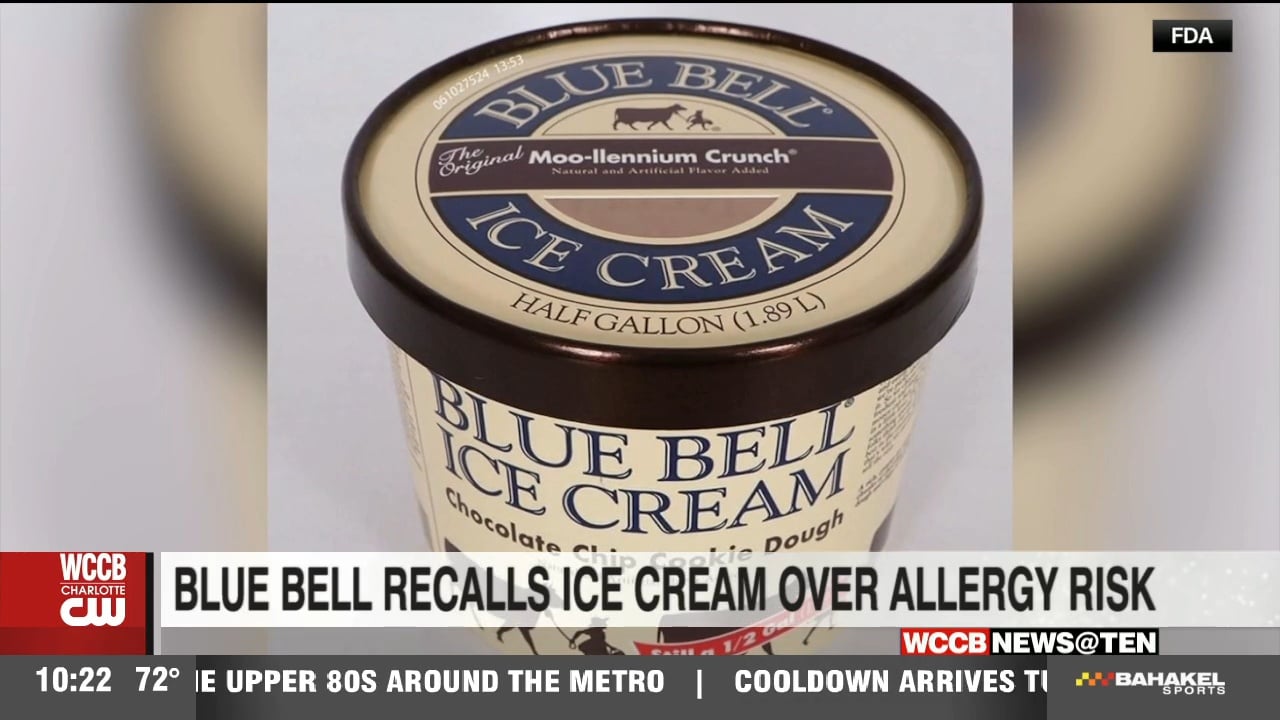
The recent recall of Blue Bell’s Moo-llennium Crunch ice cream has sparked a lively conversation about food safety, product labeling, and the hidden risks that consumers may face. What began as an innocent packaging error—a half gallon of ice cream mistakenly encased in Chocolate Chip Cookie Dough cartons—has now turned into a nerve-racking episode for those sensitive to allergens. In this opinion editorial, we take a closer look at the recall, exploring the many intricate layers of consumer safety, regulatory oversight, and the responsibility of food manufacturers. We will dig into every aspect with plenty of practical detail, and we invite readers to consider not only the immediate issues but also the broader implications for the food industry.
For a lot of consumers, the revelation that the product contains undeclared almond, walnut, and pecan comes as a serious shock. People with nut allergies face a very real risk when allergens are not clearly noted on the packaging. This error may seem like a minor slip-up, but its consequences remind us that the seemingly simple task of labeling food products is full of tricky parts, tangled issues, and confusing bits that can have life-threatening implications.
Understanding the Packaging Misstep: How a Simple Error Turns Into a Public Health Issue
Observing the events that have led to this recall teaches us a monumental lesson about the importance of clear product information. In manufacturing, even the smallest twist and turn in packaging—like using the wrong carton with mismatched lids—can contribute to dangerous outcomes. The mistake here is not just about misbranding; it is about the risks inherent in miscommunication between the manufacturing process and consumer expectations.
Key Points of the Packaging Problem
- Incorrect carton usage: A mismatch between the product and the packaging design can lead to confusion.
- Undeclared allergens: When essential information is omitted, it can have severe, even life-threatening consequences for consumers with allergies.
- Consumer trust issues: Packaging errors can quickly erode consumer confidence in food safety protocols.
The incident is a clear example of how easily production details can go off course when quality controls fail. The fine points of any production line are super important, and manufacturers must be vigilant about quality checks at every stage of the process.
The Role of Allergen Labeling in the Food Industry
Undeclared allergens are a critical concern in the food industry. Allergen labeling regulations are in place to protect consumers, especially those dealing with potentially life-threatening allergies. In this case, Blue Bell’s recall serves as a stark reminder that even a seemingly routine change in packaging could have intimidating and overwhelming consequences.
Why Accurate Allergen Information is Essential
Accurate labeling does more than communicate ingredients—it provides a protective shield for consumers. Clear allergen information enables those with sensitivities to avoid products that might trigger a dangerous allergic reaction. The current situation with the mislabeled ice cream is a clear example of how production mistakes can lead to accusations of negligence.
Below is a table that outlines the potential impact of proper allergen labeling compared to when errors occur:
| Scenario | Impact on Consumers | Repercussions for Manufacturers |
|---|---|---|
| Accurate Allergen Information | Increased safety and trust in the food product | Improved brand reputation and lower risk of lawsuits |
| Undeclared Allergens | Life-threatening reactions; potential hospitalizations | Recall costs, loss of consumer confidence, and regulatory fines |
Food manufacturers must figure a path through the many complicated pieces of food labeling regulations and ensure that each product’s packaging meets strict guidelines. The recalled product from Blue Bell teaches us the small distinctions between safe practices and risky mistakes, and it reminds us that these are not just minor slips—they are subtle missteps that can have enormous consequences.
Regulatory Oversight: How Food Safety Standards Are Enforced
Food safety regulations are designed to protect consumers from hidden complexities and nerve-racking outcomes. Regulatory agencies inspect, review, and authorize labeling practices to make sure that all details, especially confusing bits regarding allergens, are clearly communicated. In this context, the Blue Bell recall serves as a case study for both the potential and the limitations of current oversight procedures.
Inside the Regulatory Process
The regulatory process for food safety involves several stages that together create a robust system meant to catch errors before they reach the consumer. However, even with stringent rules, the production line is vulnerable to the off-putting chain reaction of mistakes.
- Inspection and Auditing: Regular audits help ensure that each batch of products meets the required safety standards.
- Label Verification: A dedicated process is in place to double-check that labels match the actual contents of the product.
- Recalls and Public Warnings: When errors are detected, swift action is taken to recall the affected products and notify the public.
Although these measures are super important, the current reminder from the Blue Bell case illustrates that even the best systems can miss a few small distinctions. The crossroads between regulatory oversight and everyday production is filled with twists and turns, and every stakeholder in the industry must work together to improve safety practices.
Consumer Perspectives: Trust, Transparency, and Accountability
For consumers, the food they purchase must feel safe and transparent. In the wake of the Blue Bell recall, there is an understandable level of anxiety about whether any twist or turn in package labeling could lead to personal harm. Consumer trust is not built overnight—it is established through reliability, consistent quality, and accountability, especially when it comes to health risks.
Maintaining Confidence in Everyday Products
Below is a list of guidelines that consumers can look for to help boost their confidence in a product:
- Clear Allergen Information: The product’s packaging should unambiguously list all major allergens.
- Certifications and Seals: Look for symbols or certifications from recognized food safety organizations.
- Transparent Communication: Manufacturers are expected to issue timely recalls and detailed explanations in the event of a mistake.
- Third-Party Audits: Products that have been inspected by independent agencies may offer an extra layer of assurance.
Consumers are naturally alert to any signs that something might be off. When details are hidden or muddled, it becomes tough to steer through a sea of products without second-guessing the integrity of each item on the shelves.
Lessons from the Recall: Improving Industry Standards for a Safer Future
This recall offers an opportunity for the food industry to learn and evolve. It underscores the need for constant monitoring and the adoption of up-to-date technologies to manage production processes. Industry leaders have been discussing the necessity of integrating more automated systems and advanced quality control methods to help catch the fine points before they escalate into full-blown crises.
Steps for Enhancing Quality Control
Manufacturers can take several practical steps to reduce the risk of similar blunders in the future. These measures, while sometimes considered intimidating to implement, are absolutely critical for ensuring consumer safety. Some suggested strategies include:
- Investment in Automation: Automated systems can help detect mislabeling or mispackaging before products hit the market.
- Enhanced Training Programs: Regular staff training sessions can demystify the confusing bits of modern food production and packaging.
- Stricter Quality Checks: Multiple layers of quality control, including both manual and computer-based inspections, can catch subtle defects that might otherwise go unnoticed.
- Collaborative Audits: Bringing in third-party auditors can provide a fresh set of eyes to spot potential areas for improvement.
By taking these steps, companies can work through the many little twists in their process and create a more reliable system. The development of a robust quality control framework is a must-have for any food manufacturer dedicated to the well-being of its customers.
Emotional and Societal Responses: When a Recall Becomes a Cultural Conversation
Beyond the technical details and regulatory issues, there is a rich tapestry of human emotion and societal dialogue that emerges when a major product recall occurs. Many people experience feelings of distrust, fear, and vulnerability upon discovering that something they once believed was safe might actually pose a significant risk. The Blue Bell recall has reignited discussions about how society values transparency in food production and the accountability of large corporations.
Key Social Reactions to Food Recalls
The public often responds in a variety of ways when news like this breaks out. Some of the typical reactions include:
- Heightened Awareness: People become more vigilant about reading labels and asking questions about product ingredients.
- Demand for Transparency: Consumers expect companies to provide detailed explanations about production errors and corrective actions.
- Discussion on Social Media: Platforms become hotbeds for conversation, where users share experiences and advice on navigating these problematic bits of modern life.
- Calls for Better Regulation: Advocacy groups often push for stricter oversight to prevent future missteps.
This heightened engagement from the public is a double-edged sword. On one hand, it forces companies to be more accountable; on the other, it can sometimes spiral into an overwhelming backlash that leaves companies scrambling to find their way through the maze of consumer sentiment and regulatory repercussions.
Corporate Accountability and the Challenge of Regaining Trust
Once trust is shaken, rebuilding it can seem as tricky as figuring a path through a labyrinth of small distinctions and fine details. For Blue Bell and similar brands, reclaiming consumer confidence requires an open, honest approach that includes transparent communication, remedial actions, and a genuine commitment to change. In this respect, the recall is not merely a crisis; it is also an opportunity for growth and improvement.
Strategies for Rebuilding Trust
Here are some suggestions that companies might consider when trying to regain public trust after a product recall:
- Proactive Communication: Regular updates about what went wrong, how corrections are being implemented, and measures to ensure it does not happen again.
- Customer Engagement: Listening to consumer feedback and addressing concerns directly can help alleviate the tension that often follows such incidents.
- Improved Transparency: Making production processes more visible to the public—either through detailed online resources or third-party audits—can aid in restoring faith in the brand.
- Enhanced Safety Protocols: Publicly committing to better safety practices and demonstrating an improved quality control process reinforces a company’s commitment to the consumer’s well-being.
Rebuilding trust is a slow and challenging journey. It involves not just fixing the immediate error, but also addressing the underlying issues that allowed the error to occur. In doing so, brands have the chance to turn a negative situation into a powerful lesson on resilience and corporate responsibility.
Lessons for Consumers: Being Proactive About Your Own Safety
While it is the responsibility of manufacturers and regulators to ensure food safety, consumers also have a role to play in protecting themselves. This recall highlights the importance of being informed, staying alert to product changes, and knowing how to react when issues arise. It also underscores the need for careful reading of product labels, especially for those with known allergies.
Tips for Consumer Vigilance
Below are some practical tips consumers can adopt to better protect themselves in a market filled with confusing bits and hidden complexities:
- Read Labels Thoroughly: Even if you trust a brand, always check for any changes in ingredient lists or packaging details.
- Stay Informed: Subscribe to manufacturer newsletters or trusted news sources that report on product recalls and safety alerts.
- Ask Questions: If you are unclear about a product’s ingredients or source, do not hesitate to reach out to customer service for clarification.
- Share Information: Use social media and community forums to share news about recalls or safety concerns. Collective knowledge can be a powerful tool.
- Review Third-Party Certifications: Look for products with safety seals from well-established organizations in the food safety space.
By taking these steps, consumers can better steer through a landscape that is sometimes loaded with issues and slight differences in production standards. In many cases, having a proactive mindset can make the difference between minor inconvenience and a serious health risk.
Alternative Approaches: How Innovation Could Prevent Future Mishaps
The Blue Bell recall is also a wake-up call for the food manufacturing sector to embrace innovative technologies that could prevent similar errors. Automation in packaging, advanced artificial intelligence, and improved tracking systems are just a few of the modern solutions that could help iron out the tangled issues of today’s production lines.
Innovative Solutions for Enhanced Food Safety
Here are some innovative approaches that could be integrated into current production lines to mitigate human error and improve quality control:
- Smart Packaging Systems: Implementing barcode and RFID tracking on packages to ensure the correct product is paired with the correct labeling and packaging.
- Artificial Intelligence and Machine Learning: Using AI systems to detect anomalies during the production process and flag any inconsistencies in real time.
- Blockchain for Traceability: Leveraging blockchain technology to provide a transparent, immutable record of every step in the production process, from ingredient sourcing to packaging.
- Enhanced Sensor Technology: Utilizing sensors and automated quality control stations along the production line to catch tiny defects that human inspectors might overlook.
- Real-Time Consumer Feedback: Incorporating consumer feedback channels that provide immediate insights into potential issues, allowing for swift corrective actions.
These innovations, while sometimes intimidating to implement due to the upfront costs and the potential for technical hiccups, offer a promising pathway to a safer, more reliable product line. Ultimately, they are not just fancy bells and whistles—they are essential upgrades that could make consumer safety a super important priority for every food manufacturer.
The Broader Implications for the Dairy Industry
The recall of Blue Bell’s ice cream is not an isolated incident; it fits into a larger pattern of challenges that the dairy industry faces in today’s fast-paced market. In an environment riddled with tension, where every twist in production can have profound impacts, managers and decision-makers need to reexamine their quality control protocols and consumer communication channels.
Key Challenges Facing Dairy Producers
The dairy industry is grappling with many tricky parts that include:
- Supply Chain Complexities: The transport and storage conditions of dairy products are critical, and any slip-up can affect safety dramatically.
- Regulatory Compliance: Keeping up with constantly changing food safety laws and guidelines is a continuous challenge.
- Consumer Expectations: In today’s informed market, consumers expect transparency and quick responses in the event of any issues.
- Technological Investments: The pressure to adopt advanced technology for safer production methods while keeping costs manageable.
These issues are a reminder that the dairy industry must work continuously to iron out its own set of complicated pieces. For companies that can figure a path through these challenges, the benefits will be substantial: not only will they avoid costly recalls, but they will also ensure that consumers remain loyal and trust brands that prioritize safety and transparency.
Moving Forward: A Call for Collaboration and Continuous Improvement
In the wake of the recall, it is clear that the solution is not to simply cast blame, but rather to work through the many little turns that feed into these errors. The path forward requires collaboration between manufacturers, regulators, technology providers, and even consumers themselves. By pooling resources, sharing insights, and committing to continuous improvement, the food industry can better manage the hidden complexities of modern production.
Actionable Steps for Industry Leaders
For those in a position to steer the industry toward a safer future, here are some action items:
- Establish Clear Communication Channels: Create transparent protocols for managing recalls and product errors, ensuring that all stakeholders are informed promptly.
- Invest in Staff Training: Regular, updated training sessions that focus on the subtle parts of production processes and the importance of accurate labeling.
- Embrace Technological Upgrades: Continuously explore new technologies that can help catch errors earlier in the production process.
- Engage with Regulatory Bodies: Work in tandem with inspectors and regulators to design more effective quality control frameworks.
- Promote a Culture of Accountability: Encourage every team member to take responsibility for quality and safety, ensuring that small mistakes are addressed before they escalate.
Taking these steps is not just about avoiding the next recall; it’s about building an industry that is resilient, dynamic, and responsive to the ever-changing needs of its consumers. By addressing each confusing bit and every tangled issue head on, the industry can rebuild the trust that is the cornerstone of consumer loyalty.
Conclusion: Turning a Crisis into an Opportunity
The Blue Bell ice cream recall, though undeniably serious, also provides a critical opportunity for learning and growth. For consumers, it is a reminder to remain vigilant and proactive about personal safety. For manufacturers, it signals the need for continuous improvement, better technology, and stronger safety protocols. And for regulators, it is a call to review and refine the measures that protect public health.
With clear communication, meticulous attention to the fine points of production, and a shared commitment to safety, the food industry can emerge stronger from these nerve-racking episodes. Every stakeholder—whether a producer, a regulator, or a consumer—has a role to play in this collective journey toward a safer, more transparent, and trustworthy food system.
In such a complex world, where each small detail can make the difference between safety and risk, it is essential to learn from every mistake and work together to ensure that tragedies like this become fewer and far between. Let the Blue Bell recall be a rallying cry for greater collaboration, innovation, and accountability in the name of public health.
Originally Post From https://www.wccbcharlotte.com/2025/08/24/blue-bell-recalls-ice-cream-over-allergy-risk/
Read more about this topic at
Recalls, Market Withdrawals, & Safety Alerts
Bread Recall Sparks Highest Consumer Risk Warning